Is AI Actually Creative? The Art, Remix, and Originality Debate Explained
AI churns out stunning art, music, and text. But is it real creativity, or just the world's most sophisticated remix machine?


Is AI Creative, or Is It Just a Sophisticated Mimic?
A machine paints a forgotten city. It’s photorealistic and haunting. Another composes a baroque symphony that can bring you to tears. A third writes a gut-punch of a poem. This isn't science fiction. It's the daily output of generative AI, and this explosion of machine-made art has ignited a firestorm over one simple question: Can an algorithm really be creative?
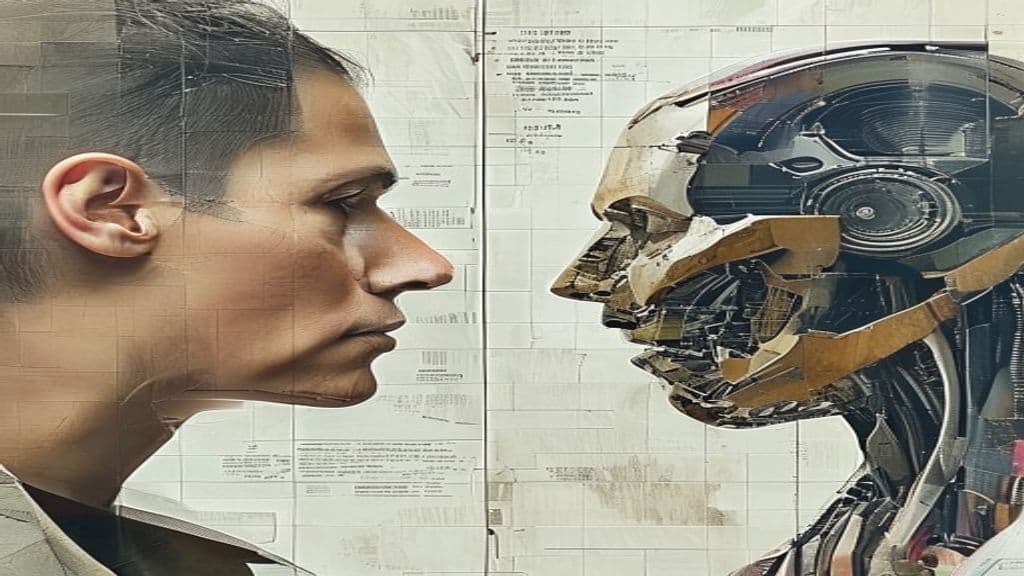
Or is it just an incredibly advanced mimic, endlessly remixing the vast library of human culture it was trained on?
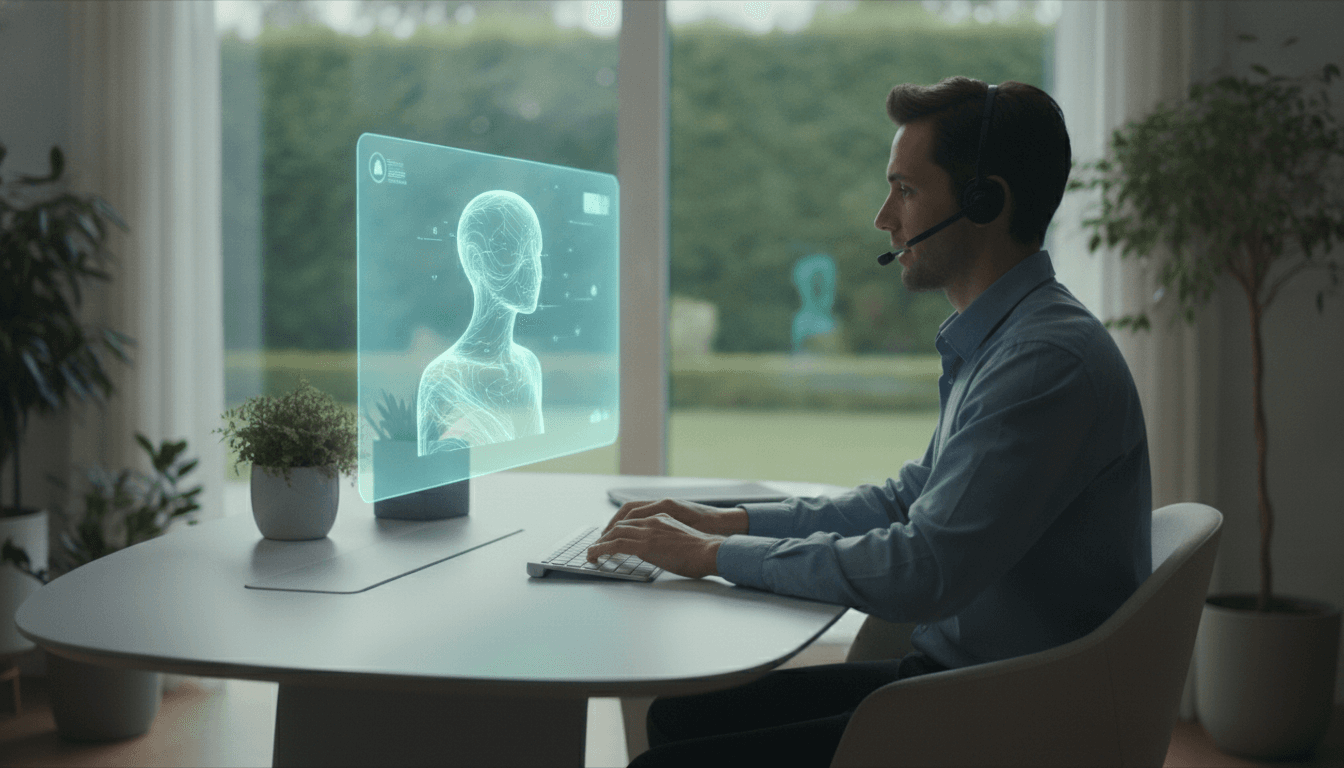
The debate cuts to the core of what 'art' and 'inspiration' even mean. Proponents argue that AI is just a tool. A powerful one, sure, but a tool nonetheless—an extension of human creativity much like the camera or the synthesizer. They insist the real artistry lies with the human operator's vision: the carefully crafted prompts, the curation of outputs, and the conceptual work that guides the machine. From this perspective, AI is a great democratizer, letting anyone translate a vivid idea into reality without needing years of technical skill.
The Ghost in the Machine: Emotion and Intent
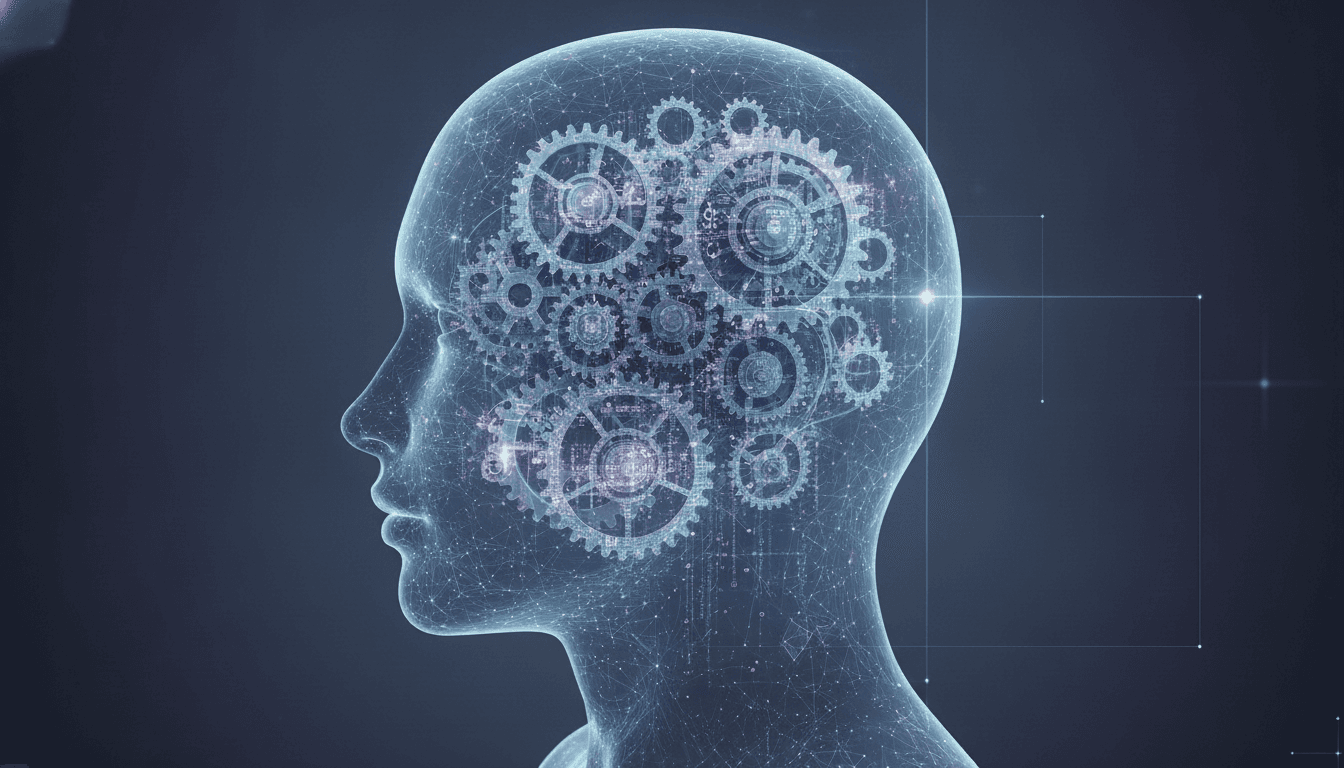
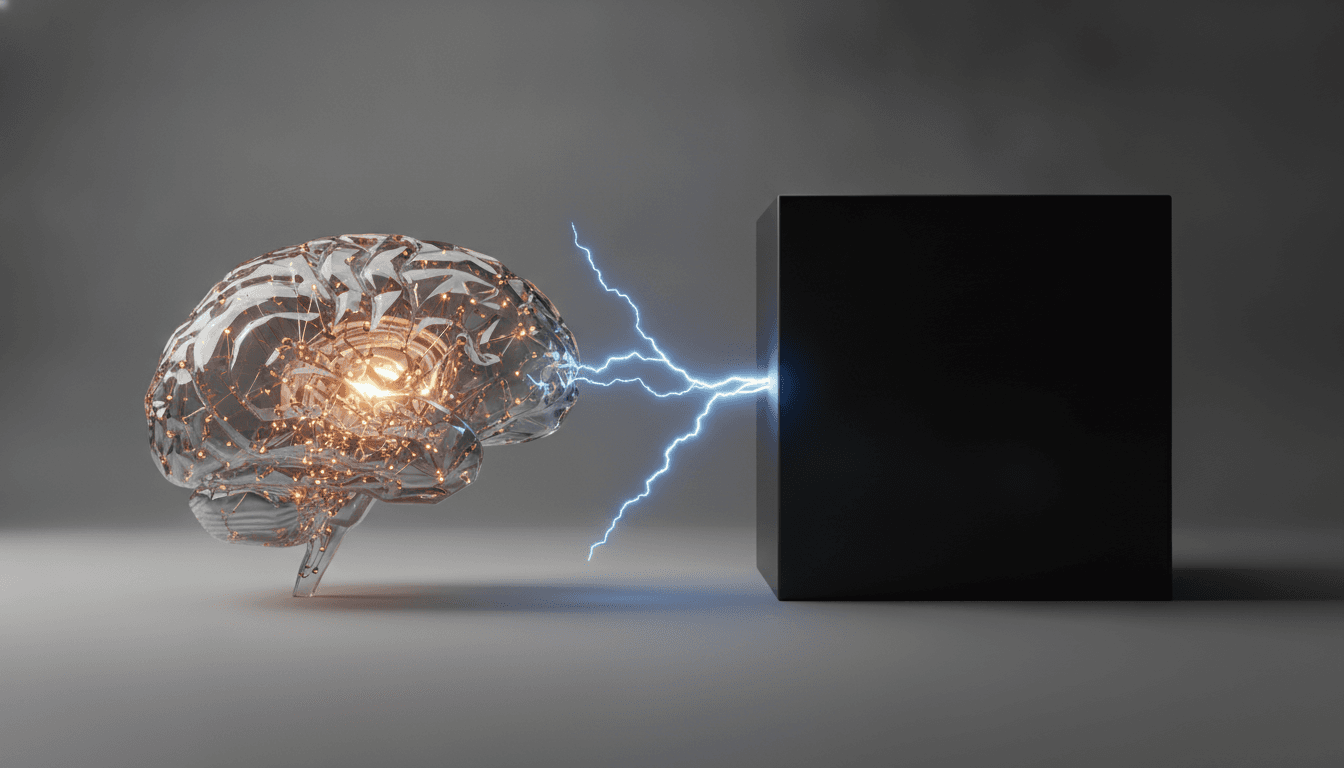
Critics aren't buying it. They see a fundamental gap, arguing that true creativity is tied to consciousness, emotion, and lived experience. Things a machine simply doesn't have. An AI can generate an image of heartbreak, sure, but it has never felt loss. It can write about joy without ever having felt it. That lack of an inner life, they contend, means AI art is forever just a clever recombination of patterns, not genuine expression. It lacks what University of Alabama at Birmingham philosopher Lindsay Brainard calls 'curiosity'—a key human spark completely missing from these models.
So which is it? The painter or the paintbrush?
Those who see a tool emphasize the collaborative potential, a way for AI to augment human ingenuity. It can offer novel starting points or automate mind-numbing tasks. A 2024 Adobe survey found that 74% of creators feel AI improves their efficiency. But others worry about where this leads. They see this reliance fostering a 'flattening' of creative voice and producing a homogenized, derivative slurry that discourages the very risk-taking that real innovation demands.
Inspiration or Infringement? The Remix Dilemma
And how these things learn is where it gets really messy. The models are trained on enormous datasets—most of it text and images scraped from the internet without the explicit consent of the original creators. This practice has sparked fierce legal and ethical warfare over copyright. Suddenly, artists like Greg Rutkowski found their own names being used as prompts to crank out knockoffs of their unique styles. They were forced to compete against their own work, without credit or payment.
The fight isn't theoretical. In 2022, the art world erupted when Jason Allen won first place in the digital art category at the Colorado State Fair. His piece? 'Théâtre D'opéra Spatial.' The catch was that he created it using Midjourney, an AI image generator. Allen was upfront about his methods, but that didn't stop the outrage. Many artists felt it devalued human effort and questioned the very definition of what art even means in a competition.
You’ll often hear the 'everything is a remix' defense. Fair enough. Human artists have always learned by studying and borrowing from those who came before them—Van Gogh was obsessed with Japanese prints and hip-hop was built on sampling. But courts and lawyers are now struggling mightily to define where inspiration ends and infringement begins in the age of AI. A 2024 German court case, for instance, ruled that an AI image mimicking the motif of a protected photograph didn't infringe on copyright because it didn't copy the photographer's specific creative choices, like composition and lighting. The distinction is subtle. It's also crucial.
Maybe we’re just asking the wrong question. Perhaps creativity isn't one thing but a spectrum. At one end, you have human creativity, rooted in intention and subjective experience. At the other, you have AI's uncanny ability to synthesize novel combinations from oceans of cultural data. The most groundbreaking work won't come from pitting one against the other. It will emerge from the messy spaces where they collaborate, blending machine efficiency with the irreplaceable spark of human experience.
Frequently Asked Questions
Q: Can AI truly be creative?
A: Not like a person, no. AI is a master of pattern recognition, not genuine feeling. It can assemble something new from what it's learned, but it lacks intentionality, lived experience, and the ability to meaningfully break its own rules.
Q: Who owns AI-generated art?
A: It's complicated. The US Copyright Office has ruled that a work generated purely by AI, without meaningful human authorship, cannot be copyrighted. Hybrid works with substantial human input are a different story and may qualify.
Q: Is AI art stealing from human artists?
A: That’s the million-dollar question at the heart of several massive lawsuits. The models train on copyrighted work, often without licenses or payment. The courts are still actively trying to figure out if that’s sophisticated learning or just digital theft.
Related Articles

This article was produced with AI assistance under human direction, and reviewed and fact-checked by a named editor before publication. How we work.