Waymo Signals Major Europe Expansion with New EU Entities
Forget the launch parties. Alphabet's self-driving car unit is quietly laying the legal groundwork in Spain, France, and Germany for a massive European robotaxi push.
 AI Tech Dialogue Editorial Team6 min read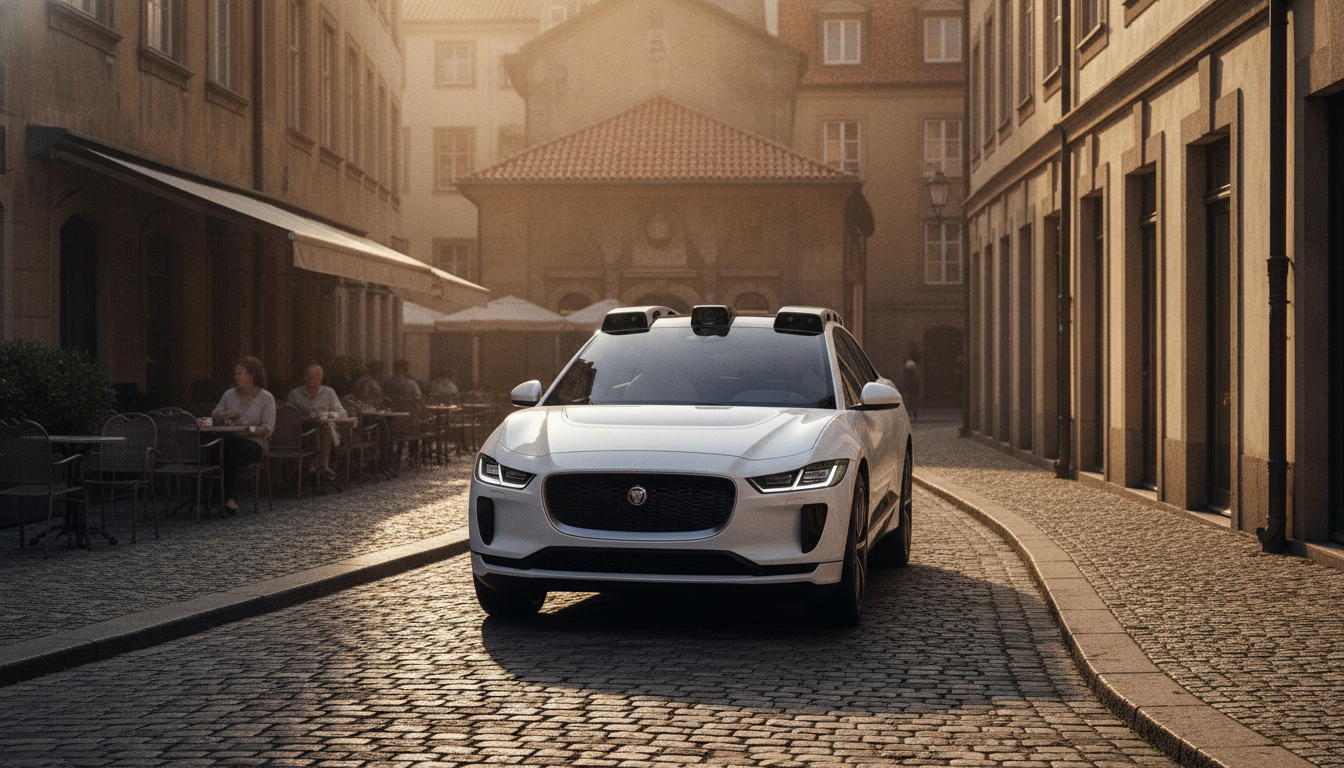
The Quiet Invasion: What Is Waymo Actually Doing in Europe?
This isn't a flashy product launch. No slick videos. No keynote from co-CEO Tekedra Mawakana. Instead, Waymo, Alphabet's famously cautious self-driving subsidiary, is making its move on Europe through a series of quiet, deliberate corporate filings. The first concrete sign of a major Waymo Europe expansion landed on June 15, 2026, with the registration of 'Waymo Germany GmbH' in Munich. Spain and France quickly followed, with 'Waymo Iberia SL' recorded on June 11 and 'Waymo France' on June 23.
And these aren't just shell companies. The French entity was registered with €100,000 in share capital and a crystal-clear purpose: providing on-demand passenger transport using autonomous vehicles. The German filing is similarly direct.
This is the unglamorous, essential legal scaffolding required before a single autonomous vehicle can be tested on public roads, let alone offer a commercial ride. It’s Waymo planting its flag, preparing the terrain for a battle that's been years in the making.
Why This Is More Than a Paperwork Exercise
For years, Waymo's strategy has been one of deep focus, not broad conquest. It poured immense resources into perfecting its tech within the relatively predictable confines of American cities like Phoenix and San Francisco. This sudden flurry of European registrations signals a fundamental strategic shift.
The continent represents a massive, complex, and potentially hugely lucrative market. How lucrative? According to one forecast, the Europe Autonomous Vehicles Market is projected to surge from over $17 billion in 2024 to nearly $70 billion by 2032. Waymo wants a piece of that prize.
But the challenges are immense. Unlike the wide, grid-like streets of many American suburbs, European cities are a gauntlet of narrow, ancient roads, chaotic roundabouts, and a dense mix of pedestrians, cyclists, and trams. Then there's the regulatory maze. While the EU has tried to harmonize rules, each nation still has its own legal framework and safety standards. As reported by outlets like Bloomberg, establishing these local entities is the first, non-negotiable step to engaging with national regulators. You can't conquer Europe from a desk in Mountain View; you need boots—and lawyers—on the ground. The company's famously deliberate safety-first culture will be tested like never before.
The Southern European Gambit: A Strategic Choice?
The choice of Spain and France, alongside Germany, is telling. It’s not a random scattershot. France has been one of Europe’s more progressive players, legally permitting Level 4 driverless commercial operations in approved zones since late 2022. That provides a clearer path to market. The registration of 'Waymo Iberia' is particularly shrewd, hinting at a strategy that also encompasses Portugal, which just enacted its first legal framework for on-road AV testing in July 2026.
The pattern is clear. Waymo appears to be targeting nations that have already done the legislative heavy lifting. This methodical approach is critical in a field where technology often outpaces policy. The AI powering the 'Waymo Driver' is more than just an algorithm; it's a sophisticated system that functions like one of the world's most advanced AI agents, making critical real-time decisions. Training and validating such a system requires a stable regulatory environment. Waymo isn't just expanding. It's picking its battles, starting with jurisdictions that have shown they are ready to engage seriously.
What Comes Next for Waymo's European Dream?
Don't expect to hail a driverless Waymo in Paris tomorrow. This is the start of a long game. The next phase will likely involve extensive mapping, using human-driven vehicles to gather data on local roads. Then comes limited testing with safety drivers—a process that could take years.
But things are moving. The company is already advertising for vehicle specialists and test drivers in Berlin and Munich, a clear indicator that the operational phase is spooling up. A Waymo spokesperson confirmed the company's worldview to the press: "Waymo has global ambitions... We are engaging with officials around the world to explain our technology and lay the groundwork for global operations."
This expansion also puts Waymo on a collision course with established European automakers like Volkswagen and Mercedes-Benz, all vying for dominance on their home turf. The complexity of pan-European rules, such as the much-debated EU AI Act, will add another layer of strategic difficulty. Waymo proved its technology in the US, but succeeding in Europe will require more than just a superior self-driving stack. It will demand deep local partnerships and regulatory finesse. The silent filings of June 2026 may one day be seen as the moment the starting gun fired on the race for Europe's autonomous future.
Frequently asked questions
- Is Waymo available in Europe?
- Waymo is not yet available for public rides in Europe. However, in June 2026, the company registered legal entities in Germany, Spain, and France. This is a necessary first step before beginning testing or launching a commercial robotaxi service, indicating a clear plan for future European operations.
- Which European countries is Waymo expanding to?
- Waymo has officially registered corporate entities in Germany ('Waymo Germany GmbH'), Spain ('Waymo Iberia SL'), and France ('Waymo France'). The 'Iberia' name for the Spanish entity suggests it may also oversee future operations in Portugal. These moves follow previously announced plans for testing in London.
- Why is Waymo expanding to Europe?
- Europe represents a massive potential market for autonomous vehicles, with projections valuing it at nearly $70 billion by 2032. Waymo is expanding to capitalize on this opportunity. The company appears to be targeting countries like France and Germany that have already established progressive legal frameworks for Level 4 autonomous driving, creating a clearer path to market entry.
- What challenges does Waymo face in Europe?
- Waymo faces several significant challenges in Europe, including fragmented and complex regulations that vary by country. European cities also present difficult infrastructure, with older, narrower roads and more complex traffic patterns than many US cities. Finally, gaining public trust and acceptance for autonomous technology is a major hurdle the company must overcome for widespread adoption.
Sources & further reading
Sources
- Waymo Takes First Step Into Southern Europe as Overseas Push Deepens — EV
- eletric-vehicles.com — eletric-vehicles.com
- ttnews.com — ttnews.com
- stocktwits.com — stocktwits.com
- evwire.com — evwire.com
- brome.ai — brome.ai
Further reading
- 01
 Technology
What Is AGI? Artificial General Intelligence Explained
- 02
 Technology
What Is Artificial Intelligence? A Plain-English Guide
- 03
 Technology
FTC Takes Aim at 'Deceptive' AI With New Rules for Model Outputs
- 04
 Technology
How the Internet Actually Works: From Your Click to Your Screen
- 05
 Technology
EU Hits Pause on AI Act, Pushing Back Key Deadlines