What Is a Deepfake? A Guide to Spotting an AI-Generated World
It’s not just you. The line between what’s real and what’s synthetic has officially blurred. Here’s how deepfake technology actually works, the subtle tells that give fakes away, and why the arms race to detect them is getting so much harder.

What Is a Deepfake, and How Does It Work?
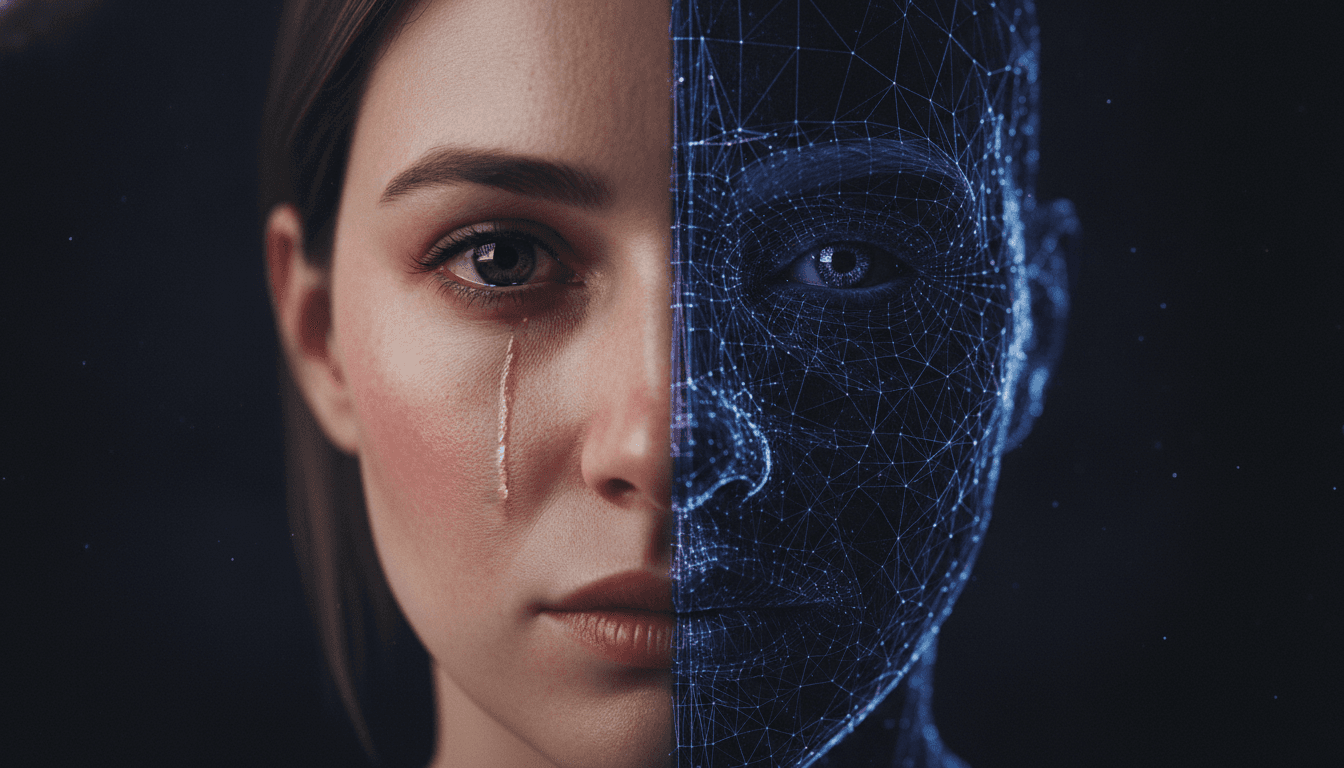
You’ve seen them. That politician saying something completely outrageous. A celebrity’s face swapped seamlessly into a movie. Maybe even a video call that just felt… wrong. Welcome to the unnerving world of deepfakes, a term that smashes together “deep learning” and “fake.” At its heart, what is a deepfake is a piece of synthetic media—video, image, or audio—manipulated by artificial intelligence to make a real person do or say something they never did. This isn't just clever photo editing. Not even close. Deepfake technology uses sophisticated AI, known as generative models, that learn to mimic a person’s likeness, voice, and quirks with chilling accuracy.
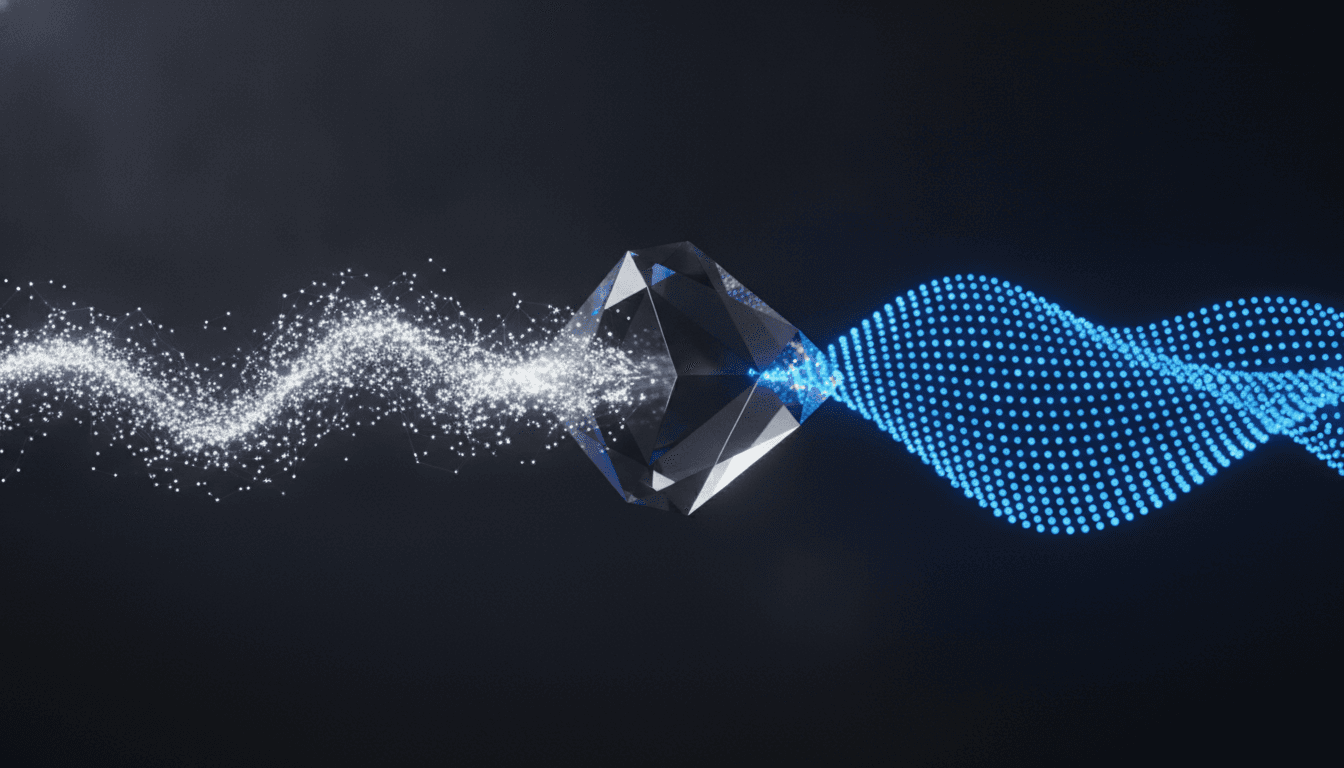
The engine behind most deepfakes is a clever AI architecture called a Generative Adversarial Network, or GAN. Think of it as a high-stakes duel between two neural networks: a “generator” and a “discriminator.” One AI’s job is to create the forgery, like a video frame of a face. The other’s job is to call its bluff, comparing it against a mountain of real photos to spot the fake. This back-and-forth happens millions of times. The forger gets better. The detective gets smarter. Eventually, the generator gets so good at its job that the synthetic output can fool almost anyone.
It all starts with data. Lots of it. The process often begins by scraping thousands of images and videos of a target from public places like social media. An AI model then studies every last pattern in their facial expressions, voice, and movements. And while GANs were the original go-to, newer methods like diffusion models are now pumping out even higher-quality fakes with fewer classic glitches. The result? It’s harder than ever to trust what you see and hear.
How to Spot a Deepfake: The Lingering (But Fading) Telltale Signs
It used to be a bit of a party trick, spotting a deepfake. You could point to the obvious digital seams and feel smart. Not anymore. As the technology has sprinted forward, the tells have become whisper-thin. Research suggests our own ability to spot them is now hovering around 55-60%. A coin toss. Still, for now, there are a few clues to look for if your gut tells you a video is off.
Visual and Facial Anomalies
Even with all their power, AI models still wrestle with the messy physics and biology of a human being. A good trick is to slow a video down to quarter-speed. That can reveal what the naked eye misses.
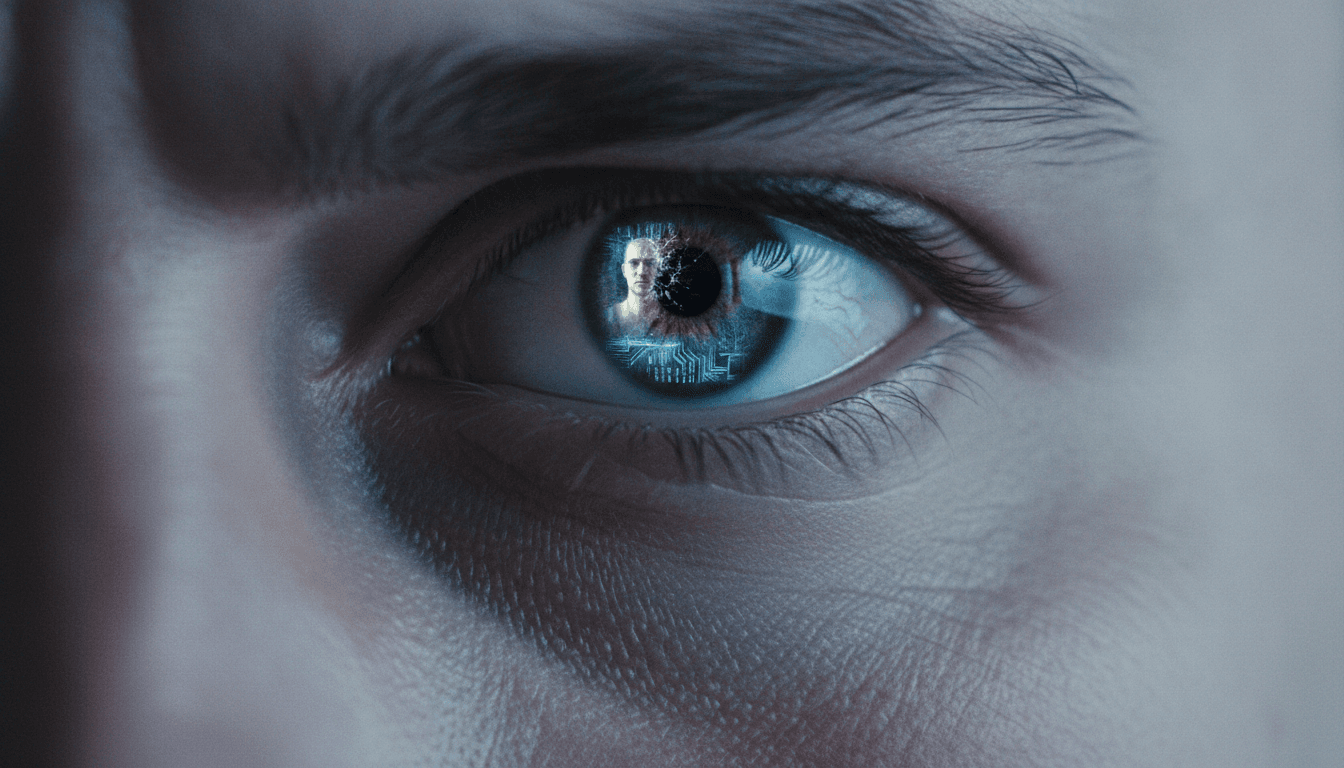
- Unnatural Eye Movement: Early deepfakes were infamous for not blinking—they were trained on open-eyed photos. They’ve learned that trick, but the blinking can be too rhythmic, too perfect. Check for glassy eyes, too, or for reflections that don’t quite match the room.
- Awkward Facial Features and Edges: Look where the face meets the hair or the neck. See any weird blurring, flickering, or discoloration? AI also fumbles fine details. Teeth might blend into a single white strip. Hair might look unnaturally perfect, with no flyaways. Real life is messier.
- Inconsistent Lighting and Shadows: This is still one of the best tells. A face pasted into a scene often brings its old lighting with it. Do the shadows on the cheeks align with the light source in the room? If not, that’s a huge red flag. Replicating light physics is incredibly hard.
Audio and Synchronization Issues
Often, the audio is where a deepfake falls apart. Voice cloning is terrifyingly easy now—it can take as little as three seconds of source audio to work—but it’s still not perfect.
- Poor Lip-Syncing: Watch the mouth. Pay attention to sounds like ‘p,’ ‘b,’ and ‘m,’ where lips have to press together. The audio in a deepfake is often just a few frames off, creating a subtle but deeply weird mismatch.
- Robotic Tone and Lack of Emotion: Does the voice sound human? Cloned voices can be flat, monotonous, or just lack the pops, clicks, and breaths of real speech. You might also hear strange static or other digital artifacts.
But beyond all these technical tips, the most powerful tool is context. Just stop and ask: does this make any sense? Would this person actually say this? Before you believe it, much less share it, verify it. A quick search with a trusted source can often expose a viral video as a known fake.
Are Deepfakes Dangerous? The Alarming Reality
Sure, the technology has some benign uses in film or art. But let's be clear. The potential for misuse is vast. So, are deepfakes dangerous? Yes. Unquestionably. The threat has morphed from a digital novelty into a powerful weapon for crime and chaos, and the financial losses are piling up.
Take one stunning case from 2024. A finance worker at the engineering firm Arup was tricked into wiring $25 million to fraudsters. This wasn't some shoddy email scam. It was a full-blown video conference where the company’s chief financial officer—and other executives on the call—were all AI-generated deepfakes. This wasn't just a crime; it was a warning shot for a new era of corporate fraud where seeing is no longer believing. And it’s not an isolated incident. The FBI reported that AI-enabled fraud losses in the U.S. shot past $893 million in 2025, the very first year it was tracked as a category.
The sheer volume is breathtaking. Projections show the number of deepfake files is set to swell from 500,000 in 2023 to 8 million by 2025. That’s a growth rate of nearly 900% a year, fueling a whole spectrum of threats:
- Financial Fraud: Voice-cloning phishing attacks—or “vishing”—surged by over 1,300% in 2024. Scammers pose as executives to order wire transfers or trick employees into giving up passwords, a tactic used in attempts against companies like LastPass and Wiz.
- Political Disinformation: As elections loom worldwide, deepfakes have become a go-to tool for spreading lies. An AI-cloned voice of President Joe Biden was used in a robocall to tell New Hampshire voters not to show up for the 2024 primary. A 2024 survey found that 72% of Americans are convinced deepfakes will sway elections.
- Reputational Damage and Harassment: The ugly truth is that the vast majority of deepfake content is nonconsensual pornography, and it overwhelmingly targets women. This isn't a prank; it’s a malicious weapon that causes profound emotional and reputational harm.
The scariest part? You don't need a Hollywood budget to do this anymore. The tools are out there, available to almost anyone. This makes it a societal problem, not just a tech one. As our digital and real lives continue to merge, learning to spot this threat isn't a curiosity. It’s a basic survival skill.
The Unwinnable Arms Race: Why It’s Getting Harder to Detect Deepfakes
The effort to detect deepfakes is a technological arms race. Period. It's a brutal contest where every defensive shield just provides a blueprint for a sharper sword. When researchers build a tool that spots fakes by analyzing blinking patterns, the next generation of fakes blinks perfectly. When a detector learns to spot flaws at the edge of a face, new models learn to blend those edges seamlessly.
This cat-and-mouse game has a fatal flaw: the forgers always get to move first. Detectors are always, always playing catch-up. The quality of AI video has exploded. We're talking 4K resolution, native audio, and realistic physics that would have been science fiction two years ago. These newer models—especially diffusion-based ones—don't produce the same telltale glitches that our eyes and our software rely on. As computer scientist Siwei Lyu from the University at Albany points out, the digital fingerprints are shrinking. They can even fake a heartbeat now, mimicking the subtle skin color changes that were once a reliable tell.
The gap is widening. Research from the MIT Media Lab found that humans perform no better than chance at spotting top-tier deepfakes. We’re just guessing. Automated tools do better, but their accuracy craters when they face a fake from a generator they haven't been trained on. This makes real-time detection an immense, perhaps impossible, challenge. The future may rely less on spotting flaws and more on verifying where content came from in the first place, using methods like digital watermarking. But the hard truth is that there may be no permanent technical fix. We have to shift from passive trust to active verification. The era of believing your own eyes might just be over, a new reality explored in pieces like Google's New Gemini AI Models Aren't About Power—They're About Price, where the AI that powers all this just keeps getting better, faster, and cheaper.
Related Articles

This article was produced with AI assistance under human direction, and reviewed and fact-checked by a named editor before publication. How we work.
Frequently asked questions
- What is a deepfake in simple terms?
- A deepfake is a video, image, or audio recording that has been manipulated with artificial intelligence to make a real person appear to say or do something they never did. The term combines 'deep learning,' a type of AI, and 'fake.' The technology can convincingly swap faces, create synthetic voices, and generate highly realistic but entirely fabricated media.
- How can you reliably detect a deepfake video?
- While it's getting harder, you can look for subtle flaws. Check for unnatural eye movements or inconsistent blinking patterns. Examine the edges of the face for blurring or flickering. Listen for robotic-sounding audio or a poor match between the words and the speaker's lip movements. Mismatched lighting and shadows between the person and their background is another key indicator. However, the most reliable method is to verify the content with a trusted source.
- Are deepfakes illegal or dangerous?
- Deepfakes are extremely dangerous and can be used for illegal activities. They are a primary tool for spreading political misinformation, committing large-scale financial fraud by impersonating executives, and creating nonconsensual pornography for harassment and extortion. In 2024, a deepfake video call was used to defraud a company of $25 million, highlighting the severe financial and security risks they pose.
- How is deepfake technology created?
- Deepfakes are typically made using a type of AI called a Generative Adversarial Network (GAN). This system involves two competing AIs: a 'generator' that creates the fake content and a 'discriminator' that tries to spot the fake. They train against each other for millions of cycles until the generator's output becomes incredibly realistic. The process requires a large dataset of images and videos of the target person to learn their likeness.
- Why is it getting harder to spot deepfakes?
- The difficulty in spotting deepfakes is due to a technological 'arms race.' As soon as researchers develop a new detection method that identifies a specific flaw (like unnatural blinking), AI developers train their models to overcome that exact flaw. Newer AI models, like diffusion models, inherently produce higher-quality video with fewer of the classic errors, making them nearly indistinguishable from reality for the unaided human eye.
Sources & further reading
Sources
- ufl.edu — it.ufl.edu
- techtarget.com — techtarget.com
- mit.edu — mitsloan.mit.edu
- gao.gov — gao.gov
- norton.com — us.norton.com
- zerofox.com — zerofox.com