Beyond the Smartphone: Meet the AI Gadgets That Are Actually Changing How We Live
Smart glasses. AI pins. Invisible assistants. A whole new class of gadget is here, and it wants you to stop staring at your phone. This isn't just the next step. It's an escape route from the tyranny of the screen.

For more than a decade, the smartphone has been our digital everything. Our anchor. Our constant companion. That's over. Its reign as the one-and-only portal to our world is finally ending, and a new wave of AI-infused gadgets is quietly rewiring how we live. They offer experiences that go way beyond the screen you’re probably holding right now. This isn't an overnight coup. It’s an evolution. And these future gadgets beyond smartphones are already here, making digital life more intuitive, more hands-free, and—at long last—less demanding.
Smart Glasses: Information at a Glance, Not a Gaze
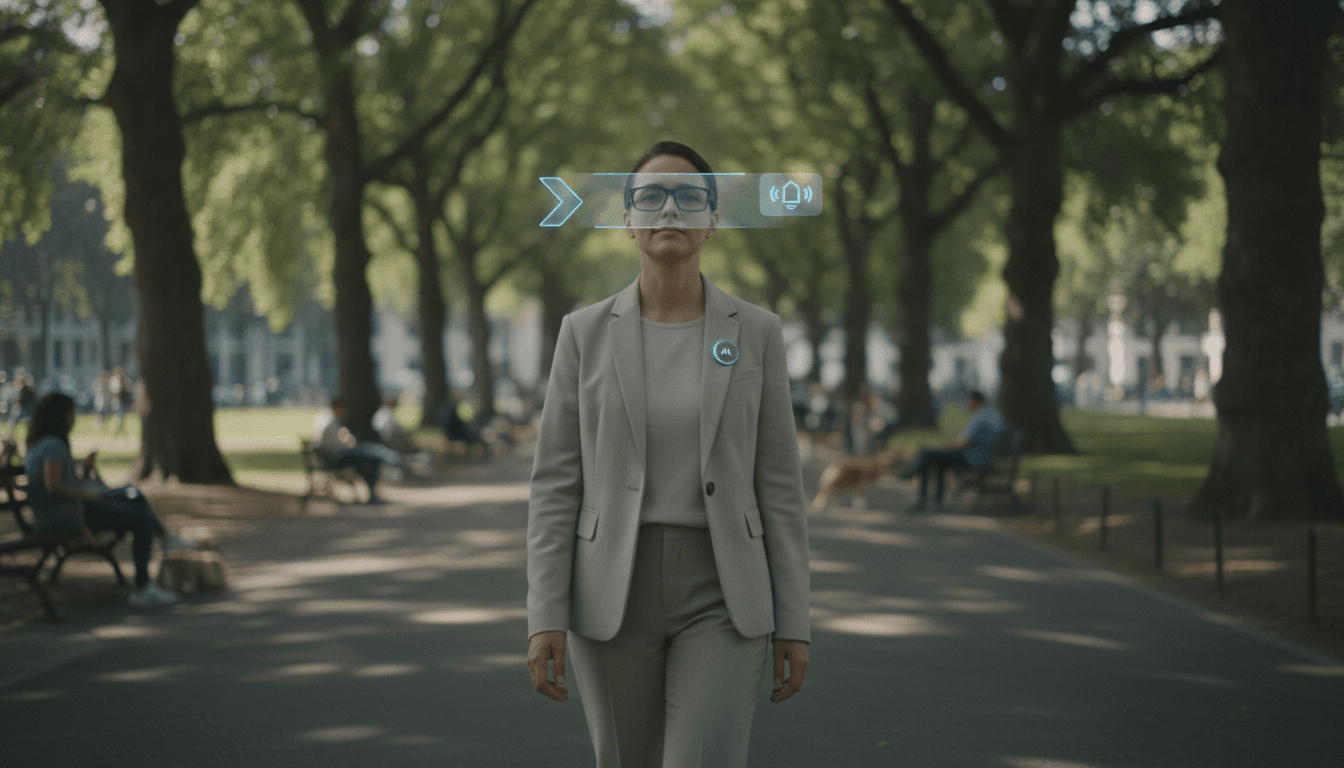
Remember Google Glass? Clunky, right? We've come a long, long way. Today’s smart glasses aren't just gadgets anymore; they're weaving augmented reality (AR) and artificial intelligence directly into your line of sight. Two giants are duking it out here: Meta, with its Ray-Ban Smart Glasses, and Apple's Vision Pro. And they’re finally blending some serious tech with designs you wouldn’t be embarrassed to wear in public.
Take Meta's Ray-Bans. Live translation. Video recording. Social media access. All without digging out your phone. And the numbers don't lie: Meta has already sold over 7 million units, with projections to sell 10 million more this year alone. People are clearly hungry for this kind of discreet, hands-free tech. Then there's the Apple Vision Pro. A different beast entirely. Apple calls it a 'spatial computer,' and honestly, they're not wrong. It transforms your living room into a digital canvas for work or play, letting you juggle apps, sculpt 3D models, or join video calls with life-sized virtual colleagues. The interface? Your eyes, your hands, and your voice. No screen necessary.
Here's the catch: privacy. It’s a huge one. These glasses are packed with cameras and microphones, which begs the uncomfortable question of who is collecting what data, especially when you’re out in public. Meta has been in the hot seat for years over its privacy policies, and the fact that third-party contractors sometimes review captured media to train its AI doesn't help. Companies insist they're trying to get ahead of this. They're adding visible recording lights and filtering data more carefully. But the questions—and the unease—remain.
AI-Powered Wearables: Your Proactive Digital Companion
Forget smartwatches that just track your steps. A new category of wearable AI devices has arrived. This isn't about passive tracking anymore. It's about proactive, intelligent help from gadgets that are often screenless, voice-first, and designed to figure out what you need before you even ask.
Take the Humane Ai Pin. A tiny gadget promising a 'screenless' world, projecting info onto your palm and listening to your every word. It could translate languages on the fly or identify objects you pointed it at. So, did it work perfectly? Nope. Not even close. Early reviews absolutely slammed it for overheating, lagging, and some seriously wonky gesture controls. But the dream of a truly integrated AI assistant didn't die there. Then came the Rabbit R1, a pocket-sized assistant running on a 'large action model' (LAM) that was supposed to do your digital bidding for you. Its launch was also a mess. Critics blasted its limited functions and asked the obvious question: why use this thing over a phone? Still, Rabbit keeps pushing out software updates, desperately trying to refine its interface.
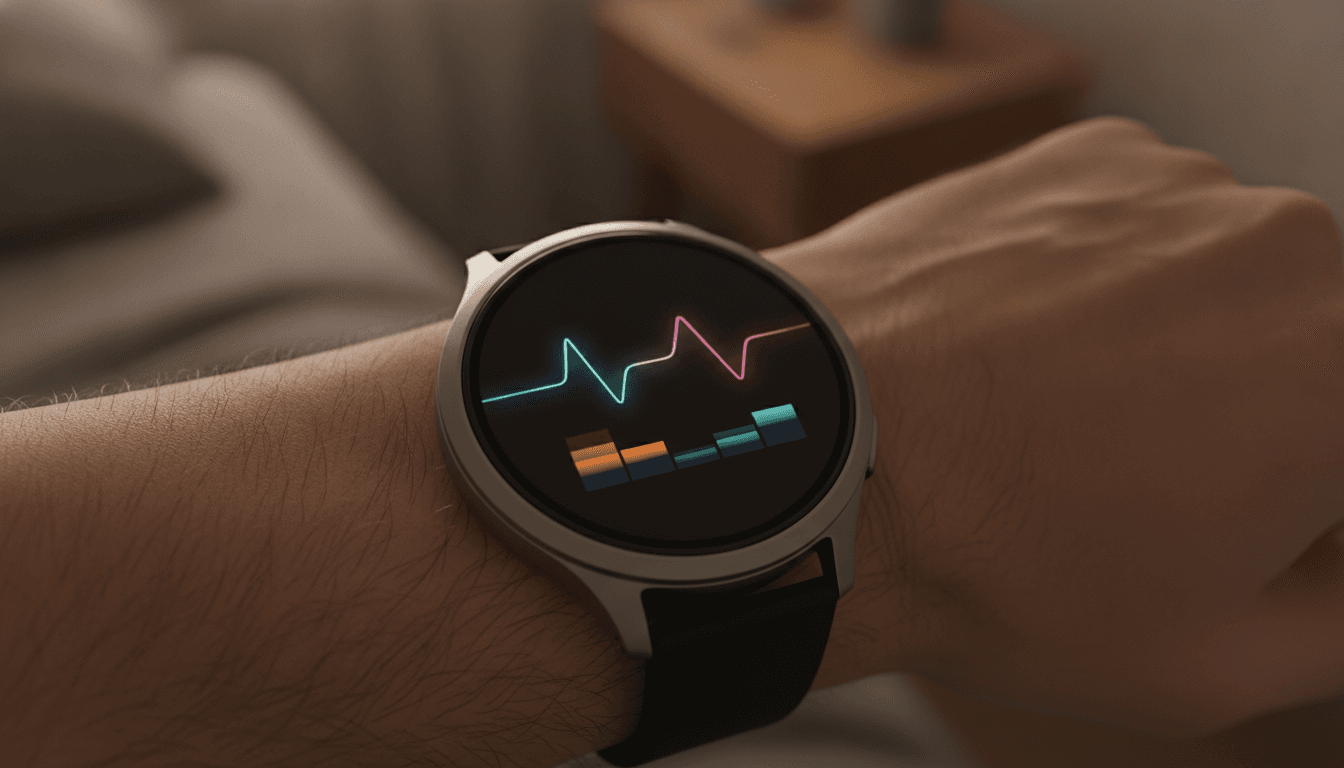
Smart rings are where AI gets truly personal. Case in point: the Oura Ring. The latest Oura Ring 5 uses artificial intelligence to crunch your biometric data around the clock. Its 'Health Radar' feature is designed to spot subtle patterns in your heart and respiratory health before you might notice them yourself. But it doesn't stop there. An 'AI Advisor' chatbot serves up personalized tips on everything from sleep optimization to workout recovery to women's reproductive health, all based on your body's data and solid research. What's the appeal? You get deep health tracking without a clunky, glowing watch on your wrist. It just works in the background while you live your life.
Voice-First Gadgets: The Invisible Interface
Voice assistants are finally breaking out of the smart speaker box. They're going screenless. Get this: OpenAI is reportedly teaming up with legendary designer Jony Ive on a top-secret, voice-first gadget. The codename? 'Project Gumdrop.' It's apparently slated for a Fall 2026 release. Whispers say it looks like a polished stone, a device built around touch and awareness, packed with high-end mics and a context-aware camera. The whole goal is something called 'calm computing'—a way to get things done without the constant glare of a screen. Imagine proactive meeting summaries and instant transcriptions, all handled by voice. That's the idea.
This entire shift to voice boils down to one thing. Ease. It's fast. It's accessible. You can search online, command your smart home, or bark items for your to-do list—all while leaving your hands and eyes free for other things. Smart speakers got the ball rolling, sure. But the next generation gadgets are pushing things much further. Voice AI is now being baked into everything imaginable, from smart earbuds to dedicated recorders like Omi that can transcribe and summarize your conversations on the spot.
So, are we all about to throw our iPhones in a drawer? Not yet. This isn't about replacement. It's about refinement. These post smartphone technology innovations are pushing us all toward a future where the tech bends to us, not the other way around. A future where we get information, manage our lives, and connect with other humans more naturally. With less screen time. The journey from industry hype to everyday reality is definitely still underway. But make no mistake: the quiet transformation has already begun.
The Road Ahead: Seamless Integration and Personalization
So where does all this go? Simple. Toward a future that's deeply personal and completely seamless. As the AI gets smarter and the hardware shrinks, these gadgets will become shockingly good at proactive, contextual help. Imagine smart glasses that don't just translate a conversation in real time but also pull up your notes from the last time you spoke to that person. A wearable that anticipates what you need before you do. The end goal is to make the technology disappear entirely, turning it into an invisible, intuitive layer of our lives so we can finally engage more with the real world instead of retreating from it. That’s the promise, anyway—a richer, less distracted life.
Frequently Asked Questions
Q: What are AI wearables?
A: They're devices you wear on your body—think smart glasses, AI pins, or next-gen smartwatches. They use artificial intelligence, either on the device itself or in the cloud, to answer your questions, understand your surroundings, and get things done for you. The key difference? You don't have to stare at your phone screen to use them.
Q: Are AI glasses ready to replace smartphones?
A: Not even close. At least, not yet. Today's AI glasses are fantastic for quick, hands-free information and navigation. But for a full smartphone replacement? They just don't have the display quality or the battery life to pull it off.
Q: What is the best AI wearable to buy in 2026?
A: Looking ahead to 2026, smart glasses with built-in voice AI assistants will likely offer the best bang for your buck. They strike a good balance between something you can actually wear all day and something that's genuinely useful. AI pins are a fascinating idea, but they still have a lot of user experience kinks to iron out before they're ready for prime time.
Related Articles

This article was produced with AI assistance under human direction, and reviewed and fact-checked by a named editor before publication. How we work.