AI Is Rewiring the Developer's Brain
Coding assistants are now a standard part of the toolkit. But while AI handles the boilerplate, it's forcing a fundamental—and sometimes painful—rethink of what it means to be a junior or senior engineer.
 Salman Oukati Sadegh6 min read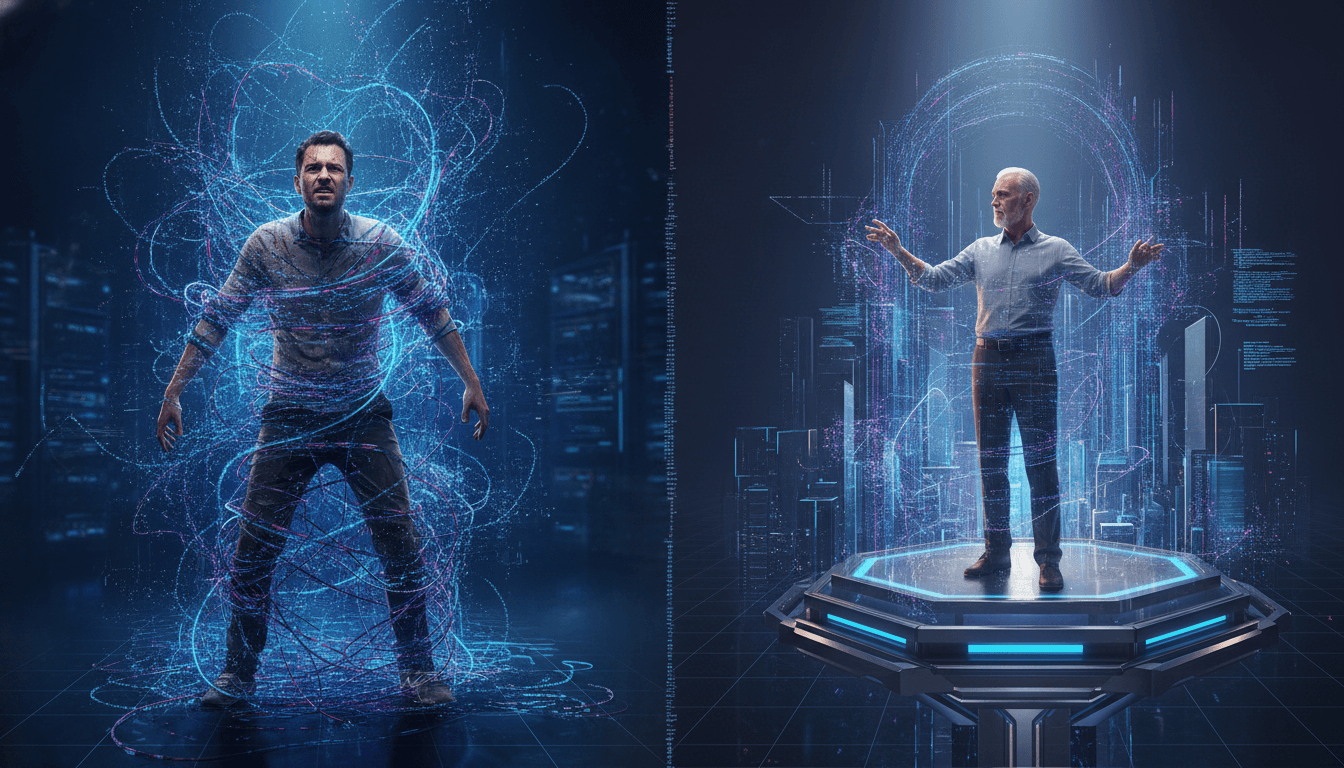
The End of Coding as We Know It?
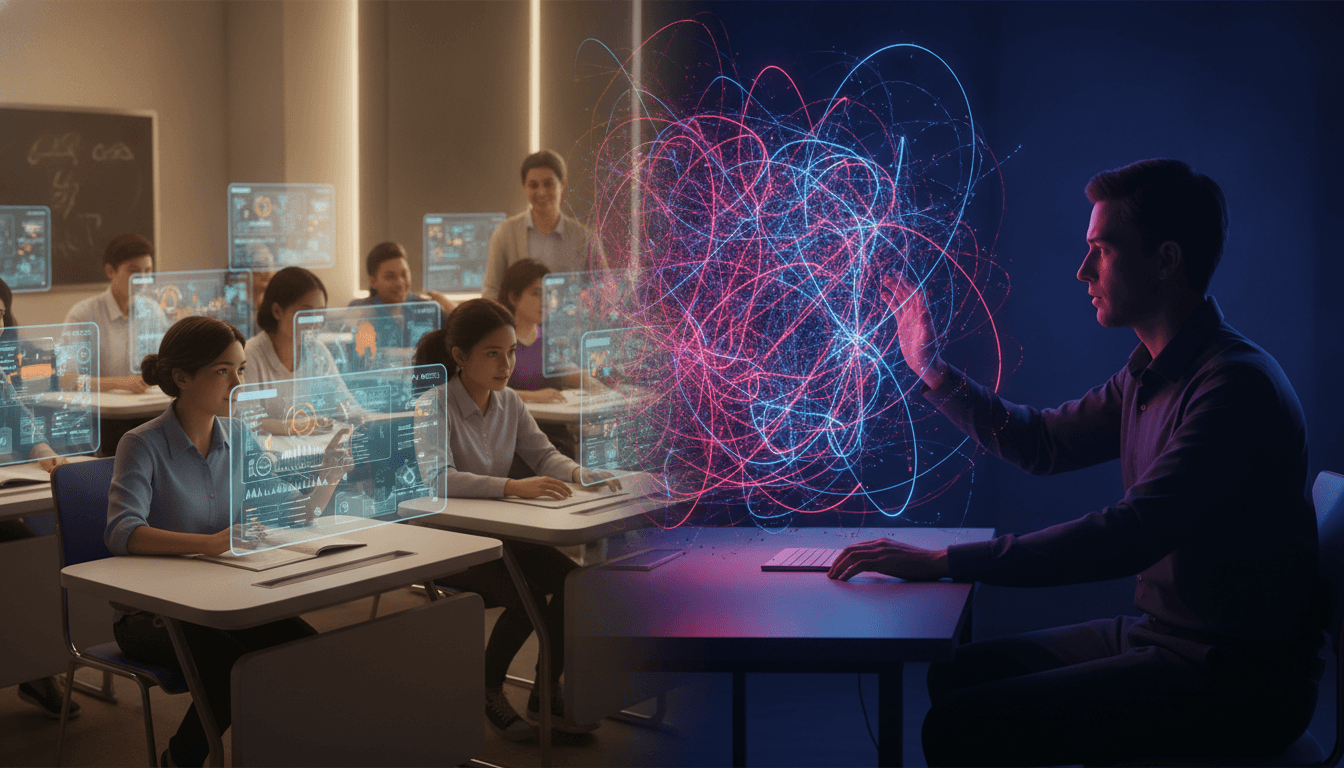
The job is different now. For millions of software engineers, the daily grind of writing code—that painstaking process of wrestling with syntax and logic—has been completely upended by a new class of powerful collaborators: AI coding assistants. This isn't some distant future. It's today's reality. According to the Stack Overflow 2025 Developer Survey, a staggering 84% of developers now use or plan to use AI tools. The shift is even more pronounced inside tech giants. A report from The Guardian notes that AI helps write as much as 75% of Google's code. Yes, 75%. The era of the AI-augmented developer is here, and it's carving a deep chasm in AI and software engineering careers.
Tools like GitHub Copilot and Amazon CodeWhisperer are now the workhorses, automating the tedious stuff that used to eat up entire afternoons. They spit out boilerplate. They suggest whole functions. They turn plain English into working code. On the surface, the productivity numbers look amazing; Microsoft's own research found developers using GitHub Copilot finished tasks 55.8% faster. But here's the catch. This newfound speed is creating a quiet crisis, cleaving the career path in two and forcing a brutal re-evaluation of what skills actually matter.
The Senior-Junior Divide: Force Multiplier vs. Dangerous Crutch
For a senior developer, these AI tools are a godsend. A true force multiplier. With years of mental models for system architecture and code patterns baked into their brains, they use AI to ditch the grunt work and focus on the big picture: system design, performance tuning, and gnarly business logic. A 2025 survey drives this home, revealing senior devs are 2.5 times more likely to ship AI-generated code to production. Nearly a third of them say over half their code comes from an AI. They don't treat the AI as an oracle. They treat it like a talented—but flaky—junior engineer who needs constant supervision.
It's a different story for junior developers. A much more dangerous one.
Sure, AI assistants can get them up to speed faster. But they're also a crutch. A powerful one that can stunt the growth of the very skills they need to build a career on. A study from Anthropic laid out the trade-off in stark terms: when learning a new library, developers leaning on AI scored a full 17% lower on a mastery quiz than those who coded by hand. Why? Because cognitive offloading erodes skill development. Lacking the seasoned eye to spot subtle bugs, security holes, or bad architectural choices, a junior engineer is far more likely to trust the AI's confident—but sometimes dead wrong—output. It’s what some are calling a 'deformation' of skills. The muscle memory for debugging and critical code analysis just fades away, even as the productivity charts point straight up.
The New Hierarchy of Skills: What's Valuable in the AI Era?
As AI takes over more raw code production, the definition of a good engineer is changing. Fast. It's not about who can type the fastest. It's about who can think the deepest.
From Syntax to Systems Thinking
Forget about memorizing syntax. The real value is in thinking at a higher altitude—decomposing massive problems, designing system architecture, and figuring out how all the pieces connect and scale. Senior engineers aren't just coding anymore. They're designing resilient systems, something AI can't do on its own. Translating a vague business need into a sharp technical strategy is now the name of the game. This is the core of the future of software engineering, a future where human judgment directs AI's power. It’s a principle just as vital for those building complex applications as it is for those using simpler tools, like the ones in our guide on how to build a chatbot without code.
The Rise of the Code Reviewer and Skeptic
If AI is writing the code, what's our job? Verifying it. The single most important skill is no longer writing, but reviewing. You have to approach AI suggestions with what you might call 'intentional skepticism'—the same polite distrust you’d show an overeager intern's first pull request. Can you interrogate the logic? Can you hunt for the hidden security flaws? Can you see the edge cases the AI completely missed? This critical thinking is becoming a core competency. As former head of engineering Anna Demeo notes, coders are becoming more like editors, responsible for shaping and validating whatever the AI produces.
Soft Skills are the New Hard Skills
And then there are the 'soft skills.' Except they aren't soft anymore. They're the new hard skills. With AI handling the mechanical parts of coding, human-to-human skills like communication, collaboration, and product sense are suddenly at a premium. Can you explain the *why* behind a technical choice to a product manager who doesn't speak in code? That's everything. Prompt engineering itself is really just an exercise in precise communication with both machines and people. As Wharton professor Ethan Mollick puts it, the focus is shifting to defining the problem and directing the tools. These aren't just résumé fluff; they’re survival skills, and they're central to the AI skills employers actually want.
What Does This Mean for Your Career?
So what does this all mean for you? The impact of AI tools for developers impact is real, but let's be clear: this isn't an extinction event. It's an evolution. Gartner predicts that by 2027, a full 80% of engineers will need to upskill to fit the new roles GenAI is creating. For CS students and junior devs, the path forward means a deliberate focus on fundamentals. Don't just accept what the AI gives you. Deconstruct it. Take it apart. Figure out *why* it works. Build projects from scratch to forge the mental models that seniors use to keep their AI assistants in line.
Seniors? Your job is to lean into architecture, mentorship, and strategy. The best ones won't just use AI to make themselves faster; they'll teach their whole team how to use it right. They'll build a culture of skepticism, ensuring the seductive lure of productivity doesn't kill code quality. We’re past the tired question of whether AI will take our jobs—a prospect most experts dismiss. The real question is how the job itself is being remade. The future doesn't belong to the engineer who tries to out-code the machine. It belongs to the one who masterfully directs it. As the line between coder and architect blurs, one thing is certain: the most valuable engineers will be the ones who do what AI can't. Think. Communicate. And own the final outcome. This pattern is playing out everywhere, from software to the AI-powered robots at companies like Walden Robotics. The best way to secure your career is to double down on the skills AI can only augment, not replace, a strategy that holds true even when you’re just using AI to help with their job hunt.
Drafted with AI assistance. How we work.
Frequently asked questions
- Will AI replace software engineers?
- No, AI is not expected to replace software engineers. Instead, it is transforming their roles by automating repetitive coding tasks. This allows developers to focus on higher-level responsibilities like system architecture, strategic problem-solving, and code verification. The demand for engineers who can effectively manage and guide AI tools is growing.
- How do AI coding tools affect junior developers?
- For junior developers, AI tools present both an opportunity and a risk. They can speed up learning and task completion, but over-reliance can hinder the development of fundamental problem-solving skills and the ability to spot errors in AI-generated code. To succeed, juniors must focus on understanding the 'why' behind the code, not just generating it.
- What skills are most important for software engineers in the age of AI?
- The most valuable skills are shifting from pure coding syntax to higher-level competencies. These include system architecture, problem decomposition, critical thinking for code verification, and prompt engineering. Additionally, soft skills like clear communication and cross-functional collaboration are becoming increasingly critical for guiding AI and aligning technical work with business goals.
- How are senior developers using AI differently than junior developers?
- Senior developers typically use AI as a productivity multiplier to automate routine tasks, freeing them up to focus on complex architecture and strategy. They have the experience to critically evaluate AI suggestions. Juniors, lacking this deep experience, may use AI as a crutch, which can impede their learning and ability to verify the quality of the code.
- Are AI coding assistants making developers more productive?
- Yes, studies show significant productivity gains. For example, Microsoft found developers completed tasks 55.8% faster with GitHub Copilot. However, there's a paradox; some research indicates that the time spent reviewing and correcting complex AI-generated code can sometimes offset these gains. True productivity comes from using AI to augment, not replace, engineering judgment.
Sources & further reading
Sources
- getpanto.ai — getpanto.ai
- uvik.net — uvik.net
- theguardian.com — theguardian.com
- firstachieve.com — firstachieve.com
- resolve.ai — resolve.ai
- vinish.dev — vinish.dev