The Real Science of Aging: What Actually Works for Living Longer
Forget the hype. Longevity science is finally revealing the core drivers of how our bodies break down. Here’s a clear-eyed look at what the evidence really says.

The Cellular Ticking Clock: Understanding the Hallmarks of Aging
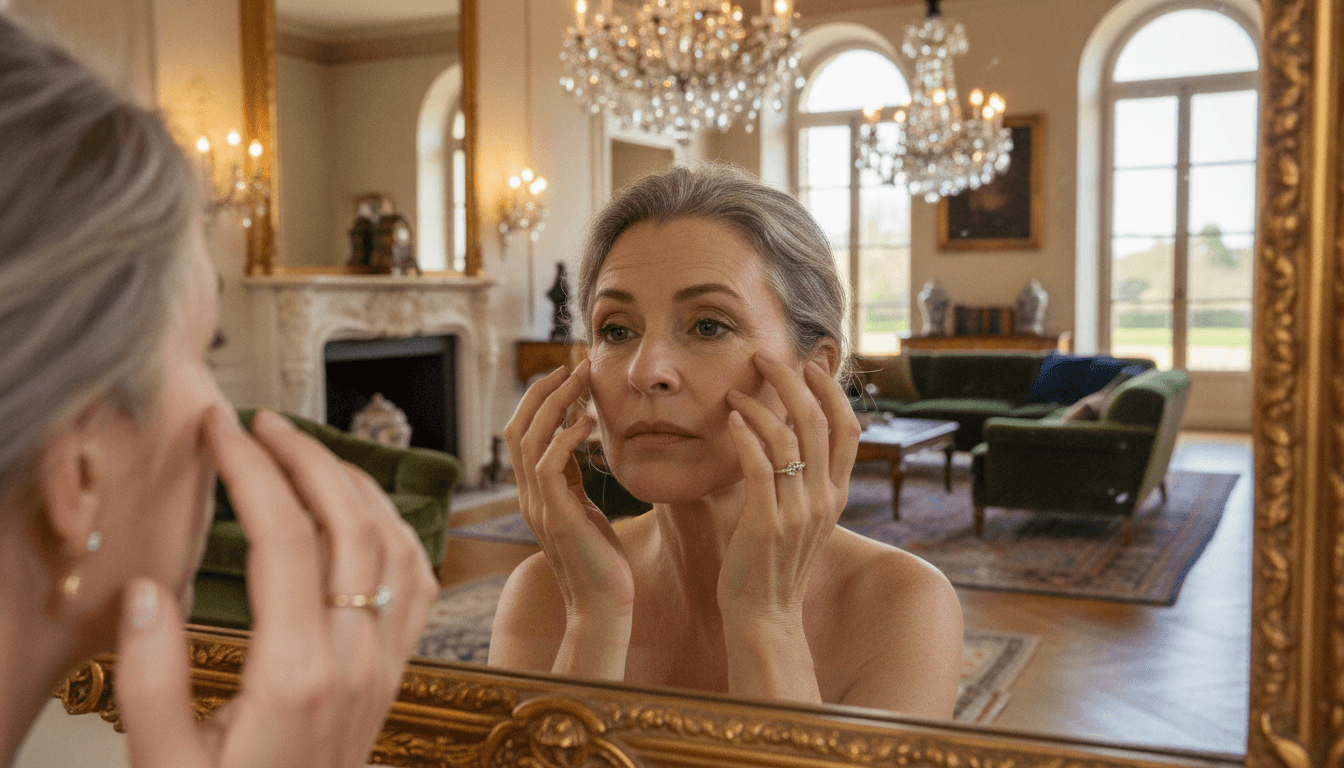
For centuries, aging was just a mystery. An inevitable decline. But not anymore. In recent decades, the science of aging has completely changed the story, revealing that getting older isn't some passive process of wear and tear. It's an active biological cascade, a chain reaction driven by distinct, interconnected mechanisms. A landmark 2013 paper first mapped these drivers, and an updated 2023 review in the journal Cell expanded the list to twelve "Hallmarks of Aging." Think of it as a roadmap to what goes wrong in our bodies over time.
At the very heart of this is the idea of cellular aging explained as a slow pile-up of errors. One of the clearest examples? Telomere attrition. Telomeres are the protective caps at the ends of our chromosomes—like the plastic tips on shoelaces. Every time a cell divides, those telomeres get a little bit shorter. Eventually, they get so stubby the cell can't divide safely anymore, so it enters a permanent state of arrest called senescence. This shutdown, known as the Hayflick Limit, is actually a good thing; it’s a critical anti-cancer function that stops damaged cells from multiplying out of control.
But there's a catch. These senescent cells don't just go quietly. They stick around, accumulating in our tissues and spewing out a nasty cocktail of inflammatory signals, a mess known as the Senescence-Associated Secretory Phenotype (SASP). This leads us right to another hallmark: chronic inflammation, or "inflammaging." This isn't the acute inflammation of a sprained ankle; it's a low-grade, persistent fire that contributes to a whole host of age-related diseases, from heart disease to Alzheimer's. Other key culprits include genomic instability (our DNA taking a beating), mitochondrial dysfunction (the power plants in our cells failing), and garbled intercellular communication. Together, they paint a startlingly clear picture of how a body breaks down.
How to Live Longer: Science-Backed Strategies vs. Market Hype
So what actually works? While the supplement industry shouts about countless pills and powders, the most solid longevity research facts point back to a familiar, if less sexy, set of habits. The evidence is overwhelming. Our genetics are thought to account for only about 20% of longevity. The other 80%? That's on us.
A major Johns Hopkins-led study found that adopting just four key behaviors slashed the risk of death from all causes by an incredible 80% over eight years. These are the pillars of healthy aging science:
- Consistent Physical Activity: This one’s the heavyweight champion. Aiming for 150 minutes of moderate activity (think brisk walking) plus a couple of strength training sessions a week has the biggest impact, hands down. It crushes inflammation and lowers the risk of pretty much every major chronic disease.
- A Nutrient-Dense Diet: The Mediterranean diet is always a top contender for a reason, built on fruits, vegetables, whole grains, and healthy fats. The real goal is brutally simple: avoid ultra-processed foods, which are tied to dozens of awful health outcomes.
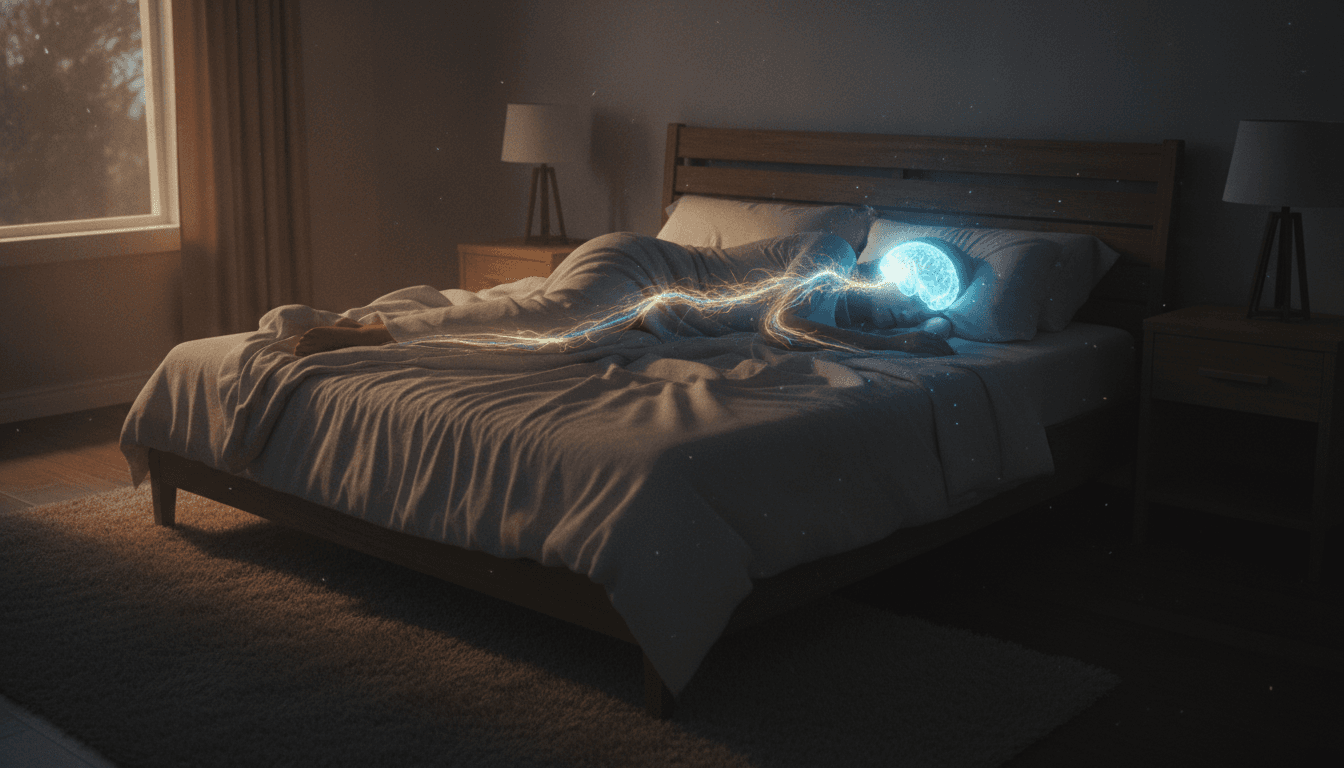
- Prioritizing Quality Sleep: Bad sleep literally speeds up biological aging. It’s not a luxury. Most adults need a solid seven to nine hours for the body to run its essential repair-and-maintenance cycles.
- Strong Social Connections: Often brushed aside, this is just as vital as what you eat. Loneliness and isolation carry health risks comparable to smoking half a pack of cigarettes a day. Let that sink in.
These four habits are the bedrock. Period. This is how to live longer, science backed by decades of research. They directly fight back against the cellular damage outlined by the hallmarks of aging. As Nobel laureate Venki Ramakrishnan put it, "All the molecular biology and cell biology we've learned in the last few decades clearly tell us that this trio [diet, sleep, exercise] is extremely beneficial." And building these as routines is the only way they stick, a principle echoed in The Science of Habit Formation: Why Willpower Is Not the Answer.
The Frontier of Longevity Research: What Remains Unproven
Beyond the basics, the scientific frontier is buzzing with interventions that target aging itself. But it's crucial to separate real science from the hype machine. Right now, the excitement is focused on a few key areas.
Caloric Restriction Mimetics
Caloric restriction (CR), or just eating less without becoming malnourished, is one of the most powerful ways to extend lifespan in lab animals. It’s not even close. In people, a 2023 Nature Aging study found a 12% calorie cut over two years slowed the pace of biological aging by 2-3%. But let's be honest—severe, long-term CR isn't a realistic plan for most humans. So the race is on to find "CR mimetics," compounds that might deliver the benefits without the punishing diet.
A molecule called resveratrol, found in red wine, got a ton of press. It’s thought to activate SIRT1, a protein involved in DNA repair. And while it works wonders in some animal studies, the evidence in humans is flimsy. Many clinical trials have come up empty, and the sky-high doses used in labs raise serious questions about whether it’s useful or even safe for people.
NAD+ Boosters
Another hot topic is Nicotinamide Adenine Dinucleotide (NAD+). It’s a vital coenzyme for making energy inside our cells, and its levels plummet as we age. So, supplements like NMN and NR that aim to boost NAD+ have exploded in popularity. Some human trials show they do, in fact, raise NAD+ in the blood. Great. But here's the billion-dollar question: does this actually translate into better health or a longer life for a healthy person? The answer is still a giant shrug. We just don't know.
Senolytics and Gene Editing
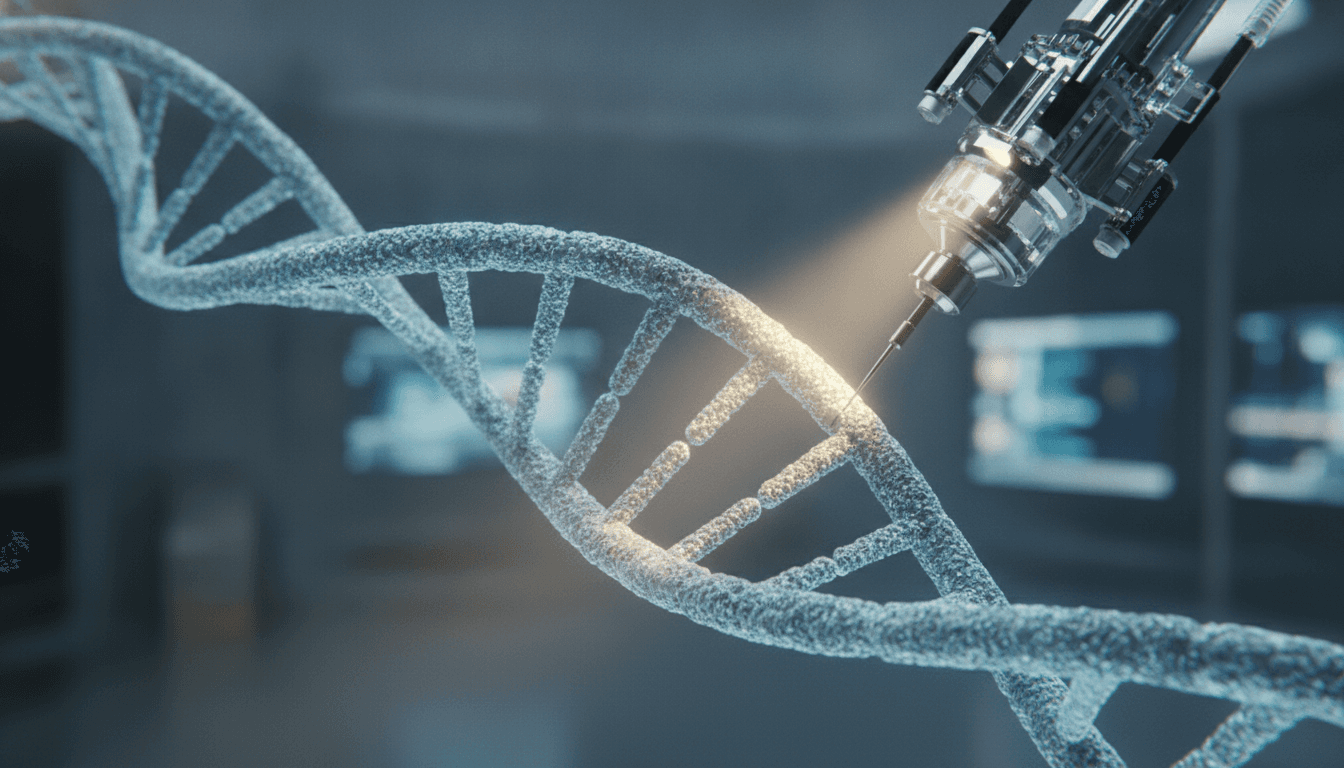
Now we're getting into the really wild stuff. Senolytics are drugs designed to hunt down and destroy those harmful, inflammatory senescent cells. The idea is to periodically purge the body of these zombie cells. In mice, the results have been spectacular. Human trials are just getting started, but they represent a genuinely new way of thinking about age-related disease. For more on the tools behind this, it’s worth reading up on What Is CRISPR? A Plain-English Guide to the Gene-Editing Revolution. Even more speculative is cellular reprogramming, a field trying to literally reset a cell's epigenetic clock to make it young again.
Exciting? Absolutely. Ready for prime time? Not yet. For now, the most powerful and proven tools for a long, healthy life are available to everyone. No prescription needed. If there's one clear takeaway from all the longevity research, it’s this: we don't have a pill for immortality, but we absolutely have a blueprint for adding more good years to our lives.
Related Articles

This article was produced with AI assistance under human direction, and reviewed and fact-checked by a named editor before publication. How we work.
Frequently asked questions
- What are the 12 hallmarks of aging?
- The 12 hallmarks of aging are a set of interconnected biological processes that drive aging at a cellular level. First described in 2013 and updated in 2023, they include genomic instability, telomere attrition (shortening of chromosome caps), epigenetic alterations, cellular senescence ('zombie' cells), mitochondrial dysfunction, chronic inflammation (inflammaging), and dysbiosis (imbalanced gut microbiome), among others. These hallmarks provide a scientific framework for understanding why our bodies decline over time.
- How can I live longer based on science?
- Scientific evidence strongly indicates that lifestyle choices are the most powerful tool for a longer, healthier life. The most science-backed strategies include regular physical activity (at least 150 minutes/week), a nutrient-dense diet like the Mediterranean diet, prioritizing 7-9 hours of quality sleep, not smoking, maintaining a healthy weight, and cultivating strong social connections. These habits directly combat the cellular damage that causes aging.
- Does caloric restriction actually work for longevity in humans?
- Caloric restriction without malnutrition is a powerful way to extend lifespan in lab animals. In humans, studies show it improves risk factors for major diseases like diabetes and heart disease. A recent trial found that a modest 12% calorie cut for two years slowed the pace of biological aging by 2-3% in healthy adults. While promising, the long-term effects and practicality for the general population are still being studied.
- Are supplements like NMN or resveratrol proven to slow aging?
- While there is significant hype, supplements like NMN, NR (NAD+ boosters), and resveratrol are not yet proven to slow aging or extend life in humans. Research shows they can raise NAD+ levels or activate sirtuin pathways in the body. However, the crucial link to long-term health benefits or increased lifespan in healthy people has not been established in large-scale clinical trials. They remain an area of active, but unproven, research.
Sources & further reading
Sources
- thecuttingedgehealth.com — thecuttingedgehealth.com
- decodeage.com — decodeage.com
- nad.com — nad.com
- asu.edu — embryo.asu.edu
- ufl.edu — distance.physiology.med.ufl.edu
- cellsignal.com — cellsignal.com