The Science of Habit Formation: Why Willpower Is Not the Answer
That New Year's resolution gathering dust? It wasn't a personal failure. It was a design flaw. Behavioral science shows that habits stick not through sheer force of will, but by hijacking the brain's simple, powerful reward system.

The Myth of Willpower
We've all made the promise to ourselves. You commit to a new goal—waking up earlier, eating better, finally tackling that passion project—riding a huge wave of motivation. You plan to muscle through on pure willpower. For a few days, maybe a few weeks, it actually works.
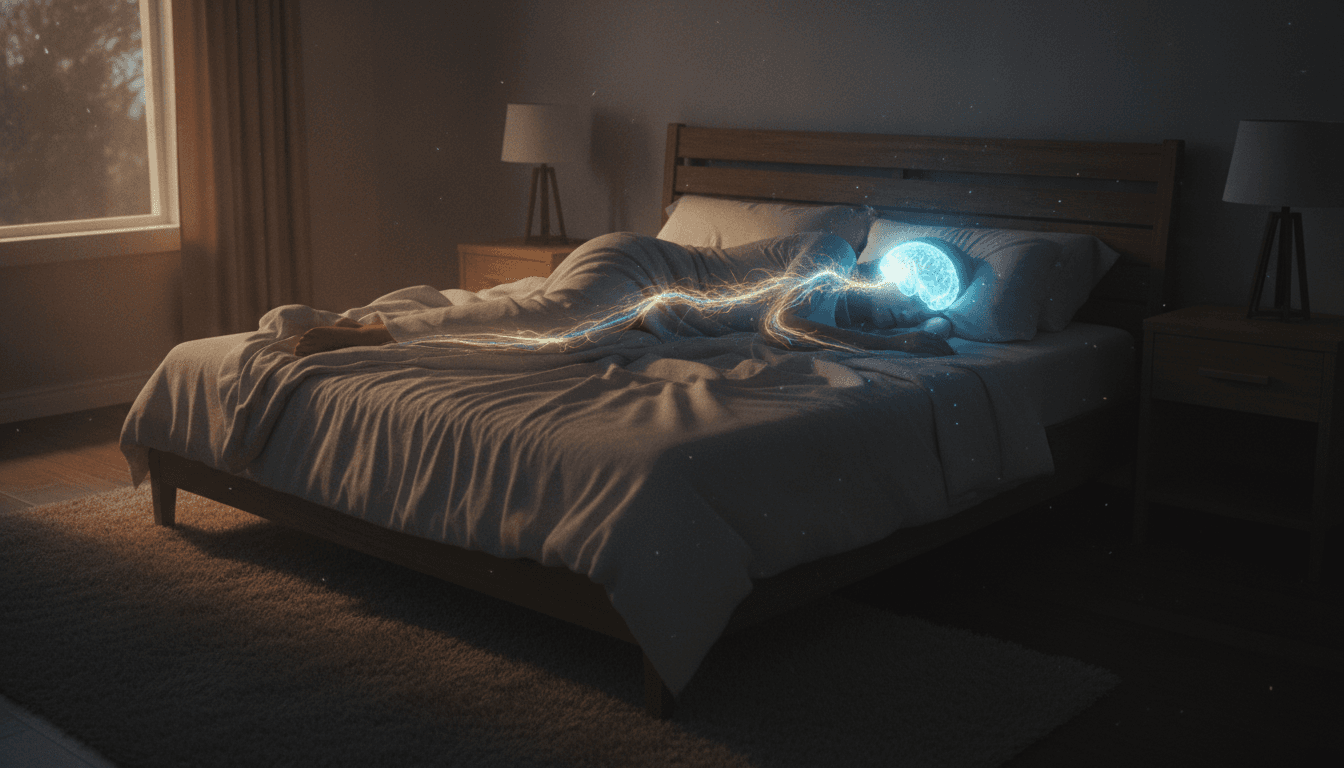
Then life happens. After one stressful day, your resolve shatters. The old pattern snaps right back. This isn't a failure of character. It's a failure of strategy. The whole misunderstanding hinges on treating willpower as some infinite, heroic resource. It’s anything but.
Psychologist Roy Baumeister first proposed the concept of "ego depletion," which suggests self-control is like a muscle: it gets exhausted with overuse. While scientists still debate the exact mechanics—is it a literal energy drain or more a shift in motivation?—the practical result is identical. Relying on willpower alone is like trying to hold your breath forever. Impossible. Eventually, your brain's automatic programming takes over, because our brains are fundamentally wired to conserve energy. They build habits to get conscious decision-making off their plate, turning complex actions into a simple, automated routine.
Decoding the Habit Loop: Cue, Routine, Reward
So if willpower is a dead end, what's the alternative? The science of habit formation points to a brutally simple neurological pattern: the habit loop. This is the three-step process, popularized by journalist Charles Duhigg in his book The Power of Habit, that quietly runs our lives.
Here’s the breakdown:
- The Cue: Think of this as the trigger that tells your brain to switch to autopilot and run a specific habit script. A cue can be a time of day (that 3 p.m. energy crash), a place (walking past the bakery), an emotion (stress!), or the action you just finished (clearing the dinner plates).
- The Routine: This is the behavior itself. It's the physical or mental action you perform, whether it's mindlessly grabbing your phone or launching into a morning workout.
- The Reward: And here's the payoff. The reward is what tells your brain, "Hey, this whole loop? It's worth remembering." This hit of satisfaction—often a little jolt of dopamine—cements the connection between the cue and the routine, ensuring you'll do it again.
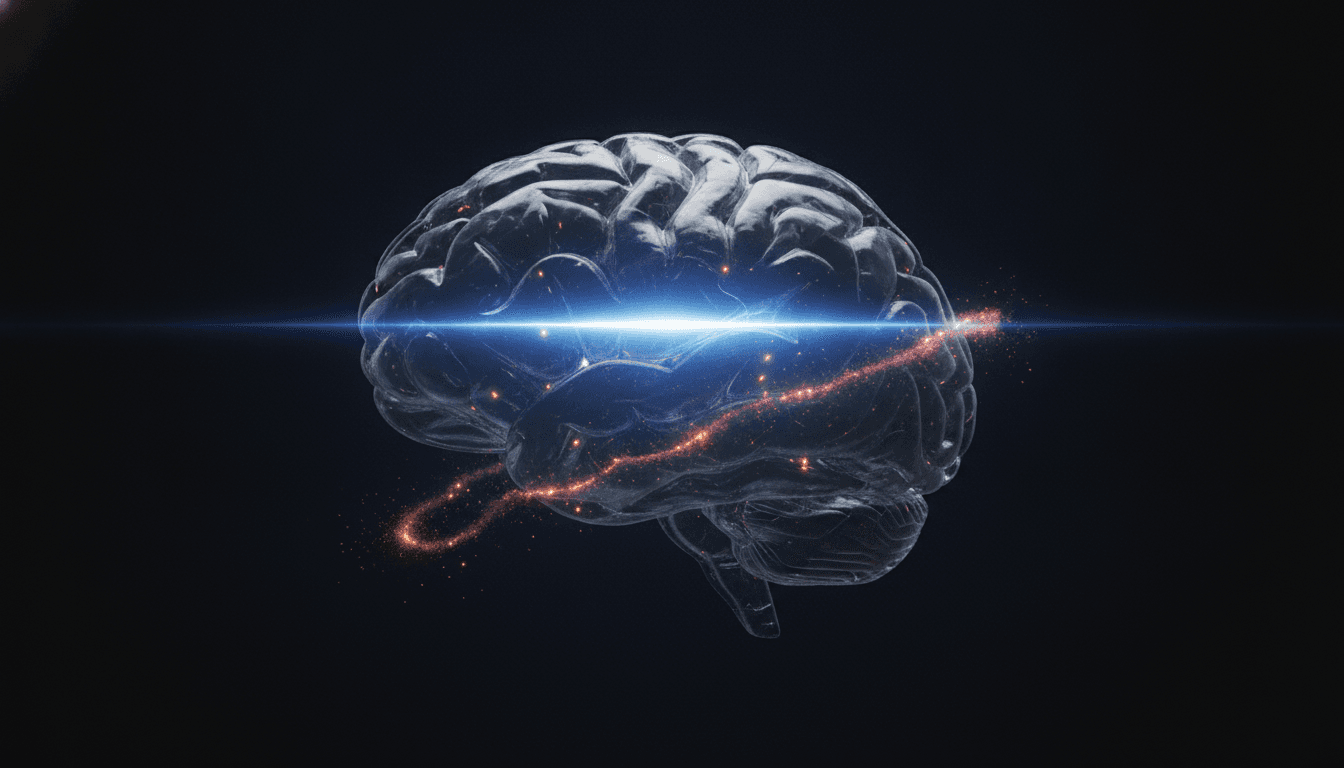
This all plays out deep in the basal ganglia, the part of your brain that handles automatic behaviors, leaving your prefrontal cortex free for conscious thought. Once that habit is burned in, your brain doesn't have to work so hard. It just sees the cue and runs the play. That efficiency is what makes habits so powerful—and so damn hard to change without a real plan.
How Habits Are Formed in the Brain: The Power of Neuroplasticity
The habit loop isn't just a neat psychological model. It's biology. It's rooted in your brain's incredible capacity to rewire itself, a process called neuroplasticity. Every time you run through the cue-routine-reward cycle, you reinforce the neural pathways for that behavior. As the neuroscientists say, "neurons that fire together, wire together." You are literally carving a path in your own brain.
This explains why the old myth about a habit taking 21 days is so wrong. A 2024 meta-analysis found that forming a new health-related habit typically takes anywhere from two to five months, and it varies wildly from person to person. The key isn't a magic number. It's repetition. Consistency. Each cycle deepens that neurological groove, making the action more automatic and less dependent on fickle motivation. It’s how you eventually learn to develop better charging habits for your devices or play an instrument without thinking about your fingers. The brain is on autopilot.
A Smarter System: Practical Takeaways from Behavioral Science
Understanding the behavioral science of habits should be liberating. It frees you from the shame spiral that willpower-based attempts always produce. The trick isn't to try harder, but to design a smarter system—to hijack the habit loop for your own benefit.
Start Impossibly Small
Our biggest mistake? We go too big. A new habit that demands a ton of motivation is brittle and likely to snap. Stanford behavior scientist BJ Fogg, author of Tiny Habits, has a better way: make the behavior so small it's almost laughable. Want to floss every day? Just floss one tooth. Want to meditate? Just take one conscious breath. Fogg’s B=MAP model says Behavior happens when Motivation, Ability, and a Prompt converge. By making an action tiny, you crank the 'Ability' dial to max, so you barely need any motivation to get it done.
Redesign Your Environment
Your environment is a minefield of cues. Want to change the habit? Change the space. This is a central idea in James Clear's blockbuster book, Atomic Habits. To build a good habit, make the cue painfully obvious. If you want to drink more water, put a water bottle right in your line of sight. To work out in the morning, lay out your clothes the night before. And the reverse is just as powerful for breaking bad habits: make the cue invisible. Your brain will always follow the path of least resistance. Add friction to bad habits and remove it from good ones.
Focus on the Reward
Don't forget the reward. It's the crucial final step that locks the habit in place, and it has to be immediate. The problem with goals like exercise is that the real rewards—better health, looking great—are months away. Too abstract for your brain. You have to link the routine to an instant payoff. Maybe you only listen to your favorite podcast while on your daily walk. Or you can use what BJ Fogg calls "celebration"—a quick, genuine moment of self-acknowledgment, like an internal high-five, that tells your brain, "That was good. Do it again." That positive feedback is what wires the habit in fast.
Lasting change isn't about dramatic, white-knuckled effort. It's about small, intelligent design. When you understand the cue-routine-reward system, you can stop fighting your brain and start working with it. It turns out, building a better system is a core principle everywhere—from our own psychology to complex technologies like the runtime security needed for AI agents. The real answer isn't more willpower. It's a better loop.
Related Articles


This article was produced with AI assistance under human direction, and reviewed and fact-checked by a named editor before publication. How we work.
Frequently asked questions
- What is the 3-step process of habit formation?
- The science of habit formation is based on a three-step neurological process called the "habit loop." It consists of a cue (a trigger), a routine (the behavior itself), and a reward (the benefit that reinforces the loop). Understanding this cycle is the first step in consciously building better habits or changing unwanted ones.
- Why does willpower alone often fail for building new habits?
- Willpower is often considered a finite resource that can be depleted through overuse, a concept known as ego depletion. Relying on it to consistently make difficult choices is unsustainable. Habits, on the other hand, are automatic behaviors stored in the brain's basal ganglia that require very little conscious effort or willpower to perform, making them a more reliable mechanism for long-term change.
- How long does it really take to form a new habit?
- The popular idea that it takes 21 days to form a habit is a myth. Scientific research, including a 2024 meta-analysis, shows that the time can vary significantly from person to person. On average, forming a new health-related habit can take anywhere from two to five months. The key factor is not a specific timeframe, but consistent repetition of the habit loop.
- What is the Golden Rule of Habit Change?
- Popularized by Charles Duhigg, the Golden Rule of Habit Change states that the most effective way to change a bad habit is not to eliminate it, but to change the routine. This means you should keep the original cue and deliver the same reward, but insert a new, more positive routine in the middle. This approach leverages the existing neural pathway, making the change easier to adopt.
Sources & further reading
Sources
- pridepointhealth.com — pridepointhealth.com
- reddit.com — reddit.com
- apa.org — apa.org
- reachlink.com — reachlink.com
- betterhelp.com — betterhelp.com
- uwo.ca — uwo.ca