What Sleep Science Reveals About Peak Performance, Memory, and Recovery
Forget the 'sleep when you're dead' mantra. Cutting-edge research shows restorative rest is your single greatest asset for memory, health, and real productivity.

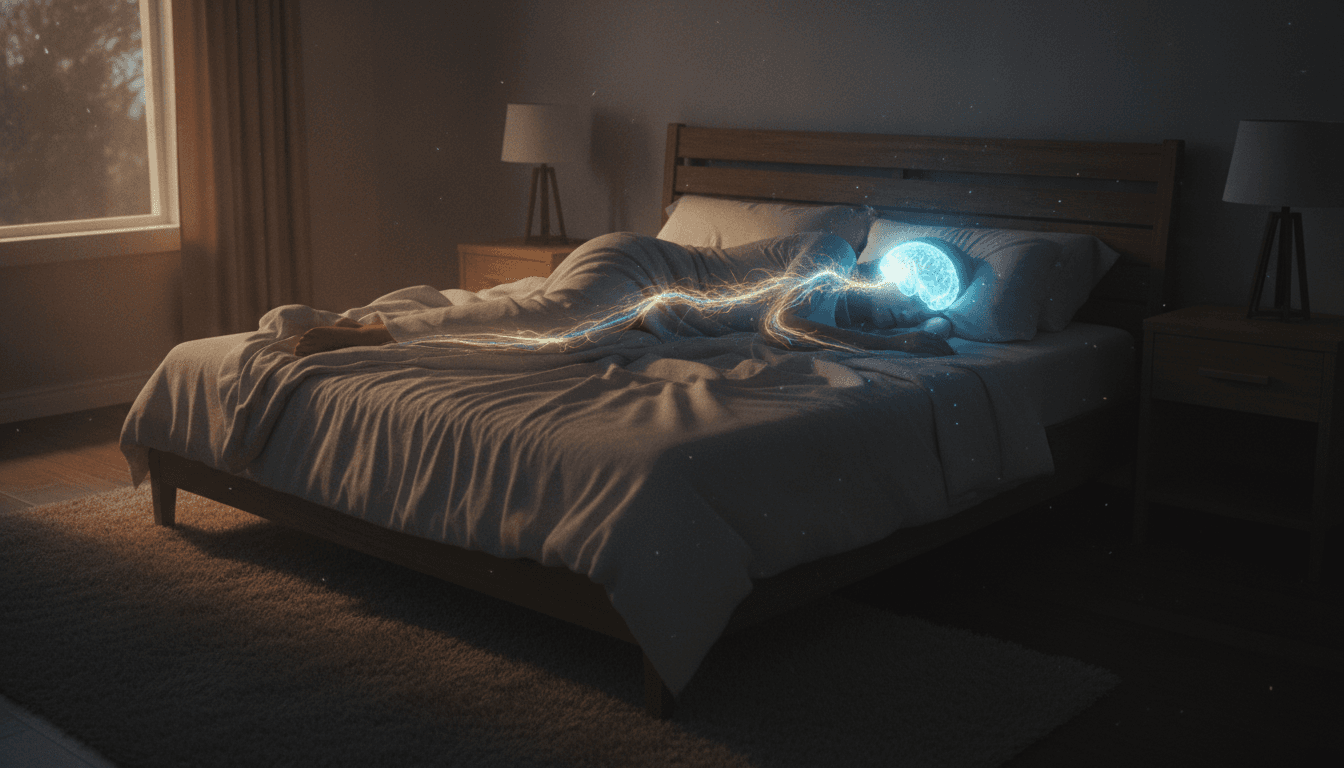
Sleep is optional. A luxury. A casualty of the grind. Right? Wrong. So many of us wear sleep deprivation like a badge of honor, but modern science has a stark message: this mindset is actively sabotaging everything we're trying to achieve. Quality sleep isn't passive downtime. It's a profound, active biological process—absolutely essential for our brains and bodies to reset, recover, and actually operate at their peak.
The cost is staggering. The U.S. economy hemorrhages over $400 billion annually in lost productivity, all because we're too tired to think straight. When you consistently skimp on rest, you’re not just making yourself tired. You are actively kneecapping your cognitive performance. Your emotional resilience tanks. Your long-term health pays a steep price. As renowned neuroscientist Dr. Matthew Walker, author of Why We Sleep, puts it, sleep is "the single most effective thing we can do to reset our brain and body health each day."
The Intricate Dance of the Sleep Cycle Explained
Your nightly rest is not some uniform block of unconsciousness. Not even close. Instead, your brain cycles through remarkably distinct phases, and each one serves a vital function for the science of sleep. A complete cycle usually runs between 70 and 120 minutes. Most of us log three or four a night. It all breaks down into two main types: Non-Rapid Eye Movement (NREM) and Rapid Eye Movement (REM) sleep.
- NREM Sleep: The Body's Deep Repair. This is the workhorse phase. It accounts for most of your sleep time and is divided into three stages, but the real magic happens in NREM Stage 3. Deep sleep. This is when your body undertakes serious physical repair—regrowing tissue, building muscle, and giving your immune system a major tune-up. Just as important, the brain uses this period to clear out metabolic junk that builds up during the day, a critical housekeeping process that helps slash the risk of neurodegenerative diseases.
- REM Sleep: The Mind's Metamorphosis. And then there's REM. You know it from the rapid eye movements, temporary muscle paralysis, and brain activity that looks a lot like you're wide awake. This is dream-time. But it's also where your brain does the heavy lifting for emotional regulation, creativity, and complex problem-solving. This stage is absolutely crucial for consolidating memories, especially those tricky ones tied to emotions and abstract concepts.
Here's the catch: you need both. They're indispensable. Cheating one stage has consequences, triggering a cascade of negative effects on how you feel and function. If you cut sleep short, for instance, you're almost always sacrificing the longest, most important REM periods that happen toward the morning.
How Sleep Affects Productivity and Memory
The link between good sleep and a sharp mind is absolute. It's not a theory; it's a biological fact. Mountains of research confirm that proper rest dramatically improves how we learn and perform. On the flip side, just one bad night can measurably wreck your cognitive abilities. Here’s how sleep affects productivity:
- Memory Consolidation: Think of sleep as your brain's meticulous overnight filing clerk. During NREM, the brain processes and stabilizes new information, moving important data from a flimsy short-term folder into secure long-term storage. Then, REM sleep integrates this new knowledge with your existing library of experiences, forging new connections. That "aha!" moment you sometimes get in the morning? You can thank your sleep cycle for that.
- Enhanced Focus & Decision-Making: Trying to focus without enough sleep is a fool's errand. It just leads to more errors and sluggish reaction times. How sluggish? Studies show that after just 17 to 19 hours awake, your performance is on par with someone who has a blood alcohol level of 0.05%. But a full night of rest clears the slate, paving the way for sharp decisions.
- Emotional Regulation: Sleep deprivation destroys our emotional stability. It’s that simple. We get irritable. We become impatient and far more vulnerable to stress. Good sleep recalibrates these critical emotional circuits, giving us the resilience to handle whatever the day throws at us.
The Importance of Sleep for Health Beyond the Brain
Dr. Matthew Walker puts it bluntly: "The shorter your sleep, the shorter your life." The stakes are that high. The impact of sleep extends far beyond mental sharpness—it's a pillar of our physical health. Chronic sleep deficiency is directly linked to a frightening list of problems.
Regularly getting less than seven hours a night shoots up your risk for serious conditions. Heart disease. Obesity. Type 2 diabetes and hypertension. Disrupted sleep is also a huge red flag for accelerated cognitive decline and diseases like Alzheimer's. Why? Because sleep is when the body heals itself. It's when the immune system repairs tissue and secretes crucial hormones. When we deny ourselves that time, we're disabling our body's most fundamental defense systems.
Practical Takeaways for Restorative Habits
So, what can you actually do? The good news is you don't need a radical life overhaul. It's about building simple, consistent habits grounded in the science of sleep.
- Prioritize Consistency: This one is king. Go to bed and wake up around the same time every single day. Yes, even on weekends. That kind of regularity, as Dr. Walker notes, powerfully reinforces your body's natural circadian rhythm.
- Build a Sleep Haven: Your bedroom should be for rest. Period. Keep it cool—around 65°F (18°C) is ideal. Make it dark with blackout curtains or an eye mask, because light demolishes melatonin production. And keep it quiet. Use earplugs or a white noise machine if you have to.
- Create a Wind-Down Routine: You can't just slam the brakes on a busy day and expect to sleep. Your body needs a transition, maybe 30-60 minutes. Read a book (a real one). Meditate. Take a warm bath. The one non-negotiable rule: power down all electronic devices. The blue light they emit is a powerful enemy of your sleep-wake cycle.
- Watch What You Consume: Stimulants are an obvious problem. Avoid caffeine and nicotine for at least 5-6 hours before bed. Be careful with alcohol, too. It might make you drowsy at first, but it fragments sleep later and torpedoes your REM cycles. That heavy, spicy meal? Probably better at lunchtime.
- Use Movement and Light Strategically: Regular exercise is fantastic for sleep. Just try to finish any intense workouts at least three hours before bedtime. Then, in the morning, get some natural sunlight within the first hour of waking. It’s a powerful signal that resets your internal clock.
The science could not be clearer. Making sleep a priority isn't a sacrifice. It’s the smartest strategic investment you can make in yourself. Understanding the machinery of your own sleep cycle—perhaps with a little help from wearable health monitors—empowers you to apply these simple habits. When you do, you don’t just get more rest. You unlock a level of recovery and productivity that enriches every single part of your life.
Frequently Asked Questions
Q: How many hours of sleep do adults actually need?
A: The sweet spot for most adults is 7–9 hours per night. Anything less on a consistent basis impairs memory, immune function, and next-day performance—even if you stop feeling tired.
Q: Can you actually catch up on lost sleep over the weekend?
A: Not really. Research shows that while a weekend lie-in can reduce some of your sleep debt, it doesn't fully reverse the cognitive impairment from a week of short nights. The damage lingers.
Q: What is the single best habit for better sleep quality?
A: Consistency. Sleep researchers agree that keeping a regular sleep and wake time—even on weekends—is the most powerful, evidence-backed habit for improving both your sleep quality and your daytime energy.
Related Articles


This article was produced with AI assistance under human direction, and reviewed and fact-checked by a named editor before publication. How we work.