The Best Robot Vacuums Actually Worth Buying in 2026
Forget the gimmicks. We cut through the marketing noise to focus on what really matters: navigation that doesn't fail, maintenance that isn't a nightmare, and cleaning that actually works.

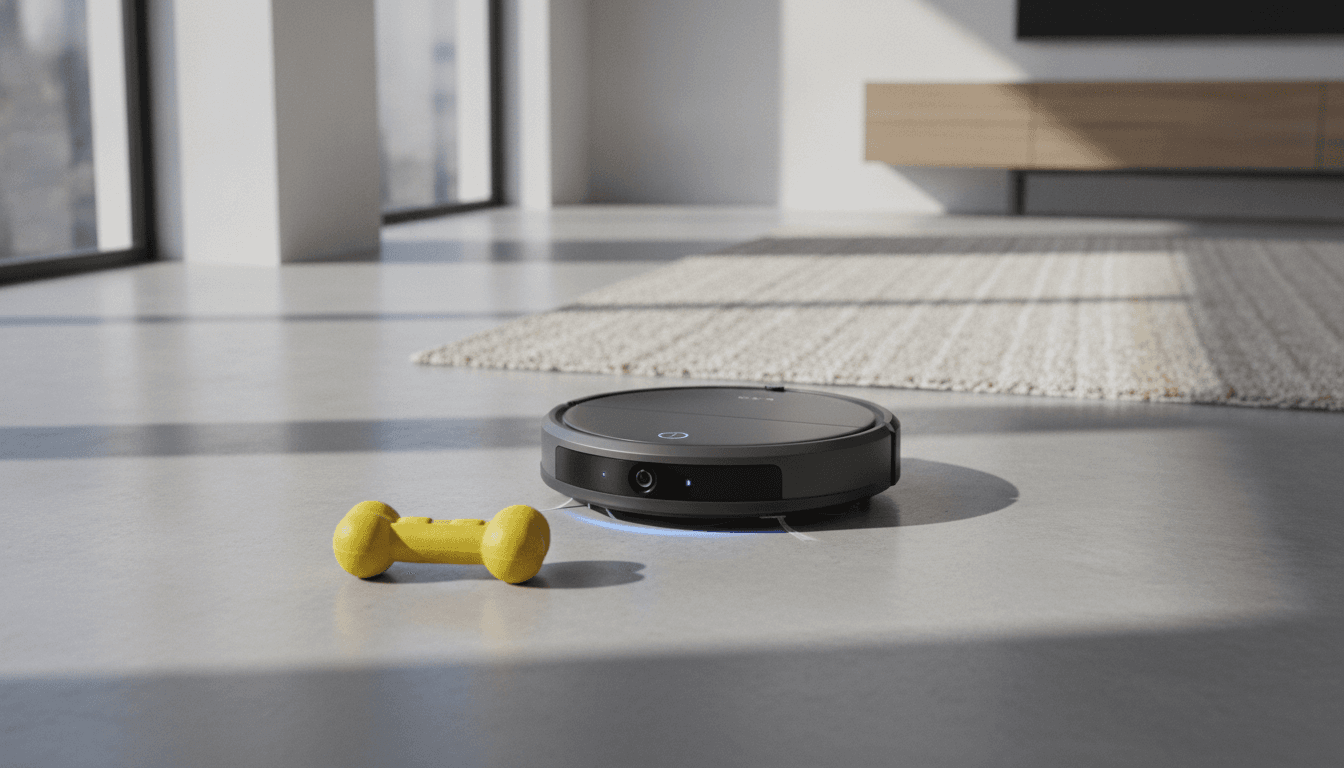
The dream of a robot vacuum is a home that magically cleans itself. The reality? Often, it's a disc-shaped gadget stuck under the sofa, hopelessly tangled in a charging cable, demanding more daily coddling than the chore it was meant to kill. So, are they worth it? For the right home, you bet. But buying the wrong one is an expensive paperweight. This guide ignores the flashy specs and digs into the unsexy, practical details—the stuff that decides if your new robot becomes a helpful partner or just more clutter.
Marketers love to scream about suction power, measured in Pascals (Pa). It matters, sure. But a sky-high Pa rating means nothing if the robot can’t find its way out of a paper bag or its brush chokes on pet hair in ten minutes. The smartest buy isn't the one with the biggest numbers. It’s the one that can actually handle your home's unique chaos, whether that's a shedding golden retriever, a forest of chair legs, or floors that switch from deep carpet to slick hardwood.
A Reality Check: What Matters More Than Marketing Specs
Before we talk models, you need to understand what makes these things tick. Fancy extras like UV sterilization or built-in air fresheners are mostly noise. They are distractions from the three pillars of a robot vacuum that does its job: navigation, maintenance, and cleaning effectiveness.
Navigation is Everything: LiDAR vs. Cameras
A robot that gets lost is useless. Point blank. How a robot 'sees' your home is the single most important part of the equation. The two main technologies are LiDAR (Light Detection and Ranging) and vSLAM (Visual Simultaneous Localization and Mapping), which uses cameras.
For most homes, LiDAR is the superior choice for navigation. It's that little spinning laser turret on top. It builds an incredibly precise map of your rooms, which lets it clean in methodical, satisfyingly straight lines. Total darkness? No problem. You can run it overnight. This precision also makes virtual no-go zones—telling it to avoid the dog bowls, for instance—rock-solid. The only real downside is height. That turret can make the robot too tall for some low-clearance furniture.
Camera-based vSLAM navigation creates a lower-profile robot, but its performance can be spotty. Because it relies on visual landmarks, it can get confused in dim light or in minimalist rooms without many distinct features. But cameras have a superpower that LiDAR lacks: object recognition. The best robots now use a hybrid approach, combining LiDAR for mapping with a front-facing, AI-powered camera for dodging obstacles. This is the real breakthrough. You get the reliable navigation of LiDAR plus the brains to identify and steer around specific hazards like pet waste, a stray shoe, or a power cord. For any cluttered home or pet owner, this isn't a luxury—it's essential. Just ask iRobot, which backs its P.O.O.P. (Pet Owner Official Promise) guarantee on models like the Roomba Combo j9+.
The Self-Emptying Elephant in the Room
The auto-empty dock has been one of the biggest leaps in convenience. After cleaning, the robot scurries home and the base station violently sucks the gunk out of its small onboard dustbin. It’s a massive quality-of-life upgrade. What was a daily chore becomes a monthly one. The catch? The suction process is shockingly loud, roaring like a jet engine for 15-30 seconds. Most docks also use proprietary bags, which means you're signing up for a recurring cost.
The newest, most advanced docks go even further. These all-in-one stations now wash and dry the robot's mopping pads and refill its water tank. Models like the Ecovacs Deebot X2 Omni and Roborock S8 MaxV Ultra are pushing for a truly hands-off experience. But they come with an eye-watering price tag and a footprint the size of a small ottoman.
Mopping: Gimmick or Genuinely Useful?
Early robot mops were a joke. They just dragged a damp cloth around, smearing dirt into a thin, even layer. Not anymore. Today’s high-end models use sonic vibrating mop pads or dual spinning pads that actually scrub. Some, like the Ecovacs Deebot X2 Omni, even use hot water to wash their own mop pads at the base station. They still won't tackle dried-on spaghetti sauce, but for daily upkeep on hard floors? They're fantastic. If you have a mix of floors, look for a model with automatic mop lifting, which pulls the wet pads up when it senses carpet. No soggy rugs.
The Contenders: Best Robot Vacuums for Real Homes in 2026
We've cut through the hype. These are the models that actually deliver on their promises, focusing on features that provide real, day-to-day value.
The Workhorse: Roborock Qrevo Curv 2 Flow
For most people, this is the one. The best robot vacuum for the price needs to balance smarts, power, and low-fuss maintenance, and the Roborock Qrevo series nails that sweet spot. The Qrevo Curv 2 Flow gives you dependable LiDAR navigation, powerful suction, and a do-it-all dock that empties dust and washes its own dual spinning mops. It delivers premium, hands-off features without the flagship sticker shock. It's simply a smart investment for a cleaner home and a key part of an efficient space, much like finding the right gear for a home office, as detailed in our tiered guide to the best home office tech.
The Pet Hair Annihilator: iRobot Roomba Combo j9+
If you're fighting a losing war against pet hair, raw suction is only half the battle. You need tangle-free brushes. Period. iRobot's Roombas have always led the pack here with their dual rubber roller design that resists hair wrap like nothing else. The Roomba Combo j9+ is the best robot vacuum for pet hair because it pairs that design with the smartest obstacle avoidance around. Its AI-powered camera is specifically trained to see and avoid pet waste—a potential catastrophe for lesser robots. While its vSLAM navigation can be less precise than LiDAR in big, open rooms, its skill at handling the messy reality of a pet-filled home is unmatched.
The All-in-One Powerhouse: Dreame X60 Max Ultra Complete
Want the best of the best? Willing to pay for it? Here you go. The Dreame X60 Max Ultra Complete is the current peak of robot vacuum tech. It has absurd suction power, but its real genius is in the details. It uses a combination of LiDAR and an AI camera for flawless mapping and object avoidance. The killer feature, though, is its extendable side brush and mop that can actually reach into corners and flush against baseboards. Its all-in-one base is a masterpiece of automation—it empties dust, washes the mops with hot water, dries them with hot air, and refills the tank. The huge investment in these high-end smart home devices reflects a wider trend, seen in deals like the MKDWELL Tech and Landvision acquisition.
The Value King: Eufy C28
You don't have to spend a fortune to get a smart clean. The Eufy C28 proves it. It delivers the most critical features without the flagship cost. The key? LiDAR. It creates accurate maps and cleans in efficient, methodical lines, escaping the frustrating world of dumb 'bump-and-run' robots. Its mopping is more basic, and it doesn't have the fancy AI object recognition, but it absolutely nails the fundamentals. For anyone on a budget, the Eufy C28 is a brilliant entry point into automated cleaning that actually works.
The Hidden Cost: Maintenance and Longevity
Let's be clear: no robot vacuum is truly “set it and forget it.” You have to do some upkeep. Without it, performance will tank. Expect a lifespan of four to six years. Once a week, wipe down its sensors, check the wheels for string, and pull any wrapped hair from the main brush. Every few months, the filter needs cleaning or replacing. Ignoring this basic maintenance is the fastest way to turn a thousand-dollar machine into a lazy, underperforming gadget. The real question isn't just if they can clean your floors, but are you prepared to clean the cleaner?
Related Articles



This article was produced with AI assistance under human direction, and reviewed and fact-checked by a named editor before publication. How we work.
Frequently asked questions
- Are robot vacuums with mops worth it?
- Yes, for many homes, modern robot vacuum and mop combos are worth it. Early models simply dragged a wet pad, but current versions from brands like Roborock and Dreame use sonic vibration or spinning pads to actively scrub floors. They are excellent for daily maintenance on hard surfaces, keeping them free of light spills and grime, though you'll still need a traditional mop for deep cleaning stubborn stains.
- What is the best type of navigation for a robot vacuum?
- For most situations, LiDAR navigation is the best for robot vacuums. It uses a laser to create a precise map of your home, allowing for efficient, methodical cleaning even in total darkness. However, the best high-end models now use a hybrid system, combining LiDAR for mapping with a front-facing AI camera for identifying and avoiding small obstacles like pet waste, cords, and shoes, offering the most reliable performance overall.
- How often do you need to maintain a robot vacuum?
- Robot vacuums require regular maintenance for optimal performance. You should empty the on-board dustbin after every run unless you have a self-emptying model. About once a week, it's wise to clean the main brush of tangled hair, wipe down the sensors with a soft cloth, and check the wheels for debris. Filters typically need cleaning or replacement every 1-2 months to maintain strong suction.
- What is the best robot vacuum for pet hair?
- The iRobot Roomba series, particularly the Combo j9+, is often considered the best robot vacuum for pet hair. This is due to its dual rubber brushes that excel at picking up hair without tangling and its advanced AI-powered obstacle avoidance that can specifically identify and steer clear of pet waste. Strong suction and a good filtration system to trap dander are also critical features for homes with pets.
- How long do robot vacuums usually last?
- On average, a robot vacuum lasts between four and six years. The actual lifespan depends heavily on the brand's build quality, how frequently it's used, and how consistently it's maintained. Premium models from brands like iRobot and Roborock may last longer due to better components. You'll know it's time for a replacement when the battery life significantly degrades, it has frequent navigation errors, or suction power is weak despite regular maintenance.
Sources & further reading
Sources
- keyirobot.com — keyirobot.com
- ecovacs.com — ecovacs.com
- clenixlab.com — clenixlab.com
- witsengineer.com — witsengineer.com
- reddit.com — reddit.com
- dreametech.com — ca.dreametech.com