The Best Smartphone for Your Money in 2026
Don't chase specs. This is the guide to what actually matters when buying a phone, from budget workhorses to the flagships that do it all.

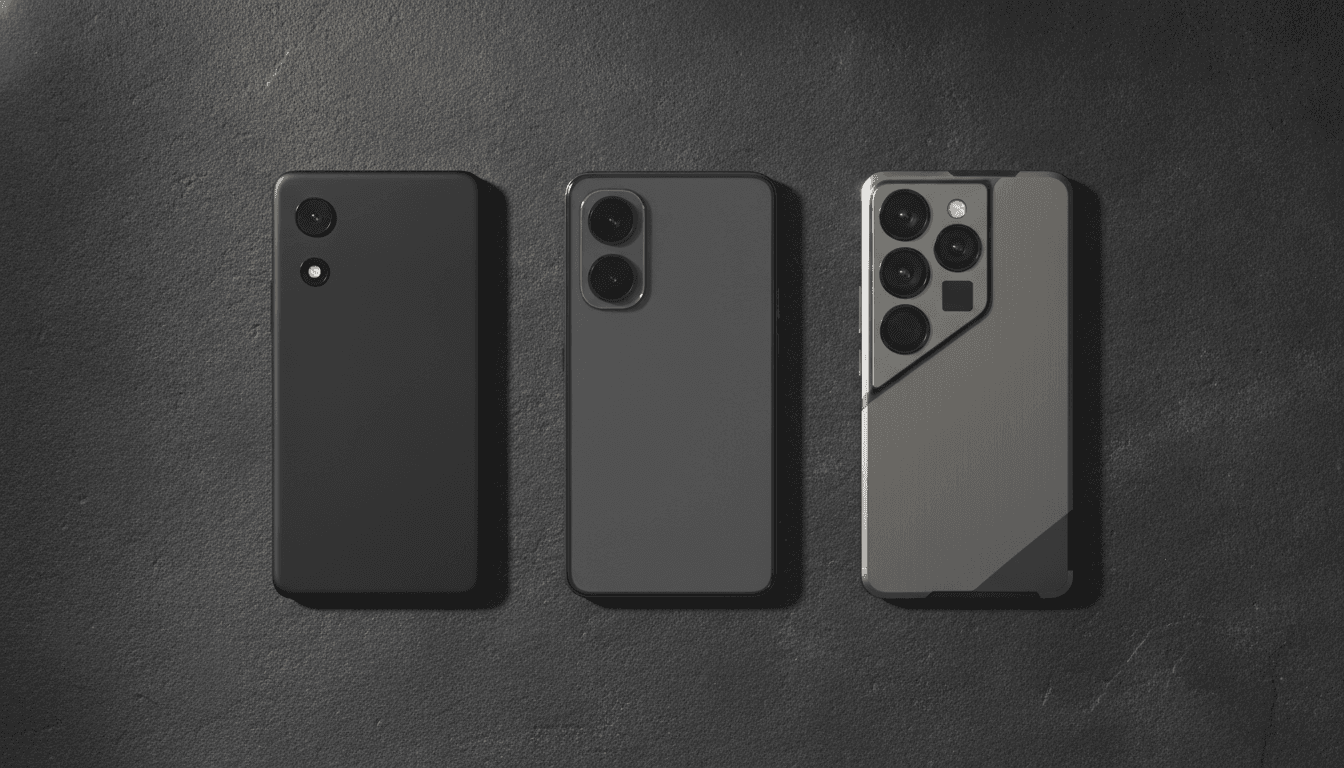
What Really Matters When Buying a Phone?
Let's be honest. Navigating the smartphone market can feel like a full-time job. You're drowning in spec sheets, confusing marketing, and a relentless cycle of new releases. But here's the secret: the best phone isn't the one with the most megapixels. It's the one that delivers what you actually need, without making you pay for junk you'll never use. This is our definitive smartphone buying guide for 2026. We're cutting through the noise.
So before you look at a single model, ask yourself a few questions. Seriously. Are you an aspiring photographer? A competitive mobile gamer? Or do you just need a reliable tool for calls and maps that won't be dead by 5 PM? Your answers point the way. A bleeding-edge processor is essential for gaming, sure, but a massive battery matters so much more if you're just trying to get through the day.
The Budget Tier (Under $300): All About the Essentials
Down here, it's a game of endurance and reliability. Forget premium glass and world-beating speeds. The mission is to find a phone that absolutely nails the fundamentals. What should you look for? First, battery life. A phone in this category must last a full day. No excuses. Look for big numbers—anything over 5,000mAh is a fantastic start.
Next up is the display. You don't need mind-blowing resolution, but you do need a screen that's bright enough to use in the sun. It also has to be big enough that you aren't squinting at it. And finally, think about software support. A phone is only as good as its last security update. Samsung, to its credit, has started offering shockingly long support timelines for even its cheapest phones.
Standout Budget Phones:
- Motorola Moto G Power (2026): It’s right there in the name. This phone is a battery monster, frequently pushing into a second day of use without a problem. It pairs that stamina with a solid screen and a durable, water-resistant build. A top contender.
- Samsung Galaxy A17 5G: Samsung's ace in the hole is its software. It's promising up to six years of updates on this phone. That's unheard of in this tier. Add in a sharp Super AMOLED display, and you've got arguably the smartest buy under $200.
The Mid-Range ($300 - $700): The Smart Money's Choice
This is the sweet spot. For most people, this is the tier to shop in. You're getting features that were exclusive to eye-wateringly expensive flagships just a year or two ago. The performance gap between a $500 phone and a $1,200 one has gotten shockingly small. What makes a great mid-ranger? Balance.
The camera is where these phones really start to shine. While you won't find the crazy zoom lenses of the top tier, you can absolutely find a main camera that takes fantastic photos. Google’s Pixel A-series has owned this space for years, using software magic to produce incredible images. Performance is also strong, with chips from Qualcomm and MediaTek that chew through demanding games. You even get premium touches—high-refresh-rate screens, fast charging, polished designs. And as AI gets baked deeper into our phones, its smarts are a bigger factor, a topic we explore in our guide to what AI alignment is and why it matters.
Standout Mid-Range Phones:
- Google Pixel 10a: Year after year, this is the easiest recommendation we can make. For around $500, the Pixel 10a gives you a camera that punches way above its weight class, a buttery-smooth 120Hz display, and Google's genuinely useful AI features. And it's all backed by seven years of updates.
- Nothing Phone (4a) Pro: Nothing continues to carve out its own path with head-turning design and clean software. The (4a) Pro brings a surprisingly good camera system to the table—including a telephoto lens, which is a rare get at this price—and a build quality that feels much more expensive than it is.
- Samsung Galaxy A57 5G: This is the consummate all-rounder. The A57 delivers a premium build, a gorgeous screen, and a versatile camera setup. It's just a solid, reliable, and polished phone for a perfectly reasonable price.
The Flagship Tier ($700+): The Cutting Edge
Welcome to the top. These phones are showcases for the most powerful processors, the most advanced cameras, and the most luxurious materials available. This isn't about need. It's about wanting the absolute best. Here, you pay for raw performance. The latest silicon from Apple and Qualcomm's Snapdragon Elite series will edit 8K video and run console-quality games without breaking a sweat. The engineering behind that power is a story in itself, deeply connected to the breakthroughs explained in how semiconductors work.
But the cameras are the real stars of the show. We're talking complex systems with wide, ultrawide, and telephoto lenses that deliver stunning versatility and image quality. You're also paying for that premium feel—titanium frames, advanced glass—and the brightest, smoothest displays on the market. These phones also get the longest software support, keeping them fast and secure for years to come.
Standout Flagship Phones:
- Google Pixel 10 Pro / Pro XL: This is for the person who wants the cleanest Android experience paired with the smartest software. The Pixel 10 Pro's camera is a masterpiece of versatility, and its many AI tools are actually useful in day-to-day life. Seven years of updates seals the deal.
- Samsung Galaxy S26 Ultra: The everything-phone. It has a massive 6.9-inch display, a beast of a Snapdragon processor, and what might be the most flexible camera you can buy, complete with incredible zoom. Throw in the S Pen stylus and faster 60W charging, and you have a productivity monster.
- Apple iPhone 17 Pro Max: If you live in Apple's world, this is the pinnacle. The A19 Pro chip is ferociously powerful, and the pro-grade camera system—with its 48MP main sensor and 8x optical zoom—is exceptional. With its titanium design and unbeatable app performance, it’s the default choice for creators and power users.
So, what's the best phone? It's the one that fits your life and your budget. By focusing on what counts at each price point, from a battery that won't quit to a camera that captures the world, you can make a choice you’ll be happy with. For years.
Related Articles



This article was produced with AI assistance under human direction, and reviewed and fact-checked by a named editor before publication. How we work.
Frequently asked questions
- What should I look for in a budget smartphone?
- When buying a budget smartphone (typically under $300), prioritize battery life and display quality. A large battery (5,000mAh or more) ensures the phone lasts all day. Also, look for a screen that is bright and clear enough for daily use. Long-term software and security updates are also crucial for longevity and safety.
- Are mid-range phones good enough?
- For most people, mid-range phones ($300-$700) offer the best value. They provide an excellent balance of performance, camera quality, and premium features like high-refresh-rate OLED screens. Models like the Google Pixel 10a often have cameras that compete with flagship devices, making them a very smart choice.
- What makes flagship phones worth the high price?
- Flagship phones (over $700) are worth it for users who demand the absolute best performance and camera technology. They feature the fastest processors for gaming and professional tasks, the most advanced multi-lens camera systems, premium materials like titanium, and the longest software support, often lasting up to seven years.
- How much RAM do I need in a smartphone?
- For budget phones and light use like browsing and social media, 4GB to 6GB of RAM is sufficient. Mid-range phones benefit from 8GB for smoother multitasking. Flagship devices often come with 12GB or more, which is ideal for heavy gaming, video editing, and ensuring the phone feels fast for years to come.
- Is camera megapixels the most important factor for photo quality?
- No, megapixels are not the most important factor. Sensor size, lens quality, and especially the phone's image processing software are far more critical for producing great photos. This is why a 12MP camera on a Google Pixel can often outperform a 108MP camera on a cheaper phone with less sophisticated software.
Sources & further reading
Sources
- medium.com — medium.com
- androidauthority.com — androidauthority.com
- sammobile.com — sammobile.com
- reddit.com — reddit.com
- gojimobile.com — gojimobile.com