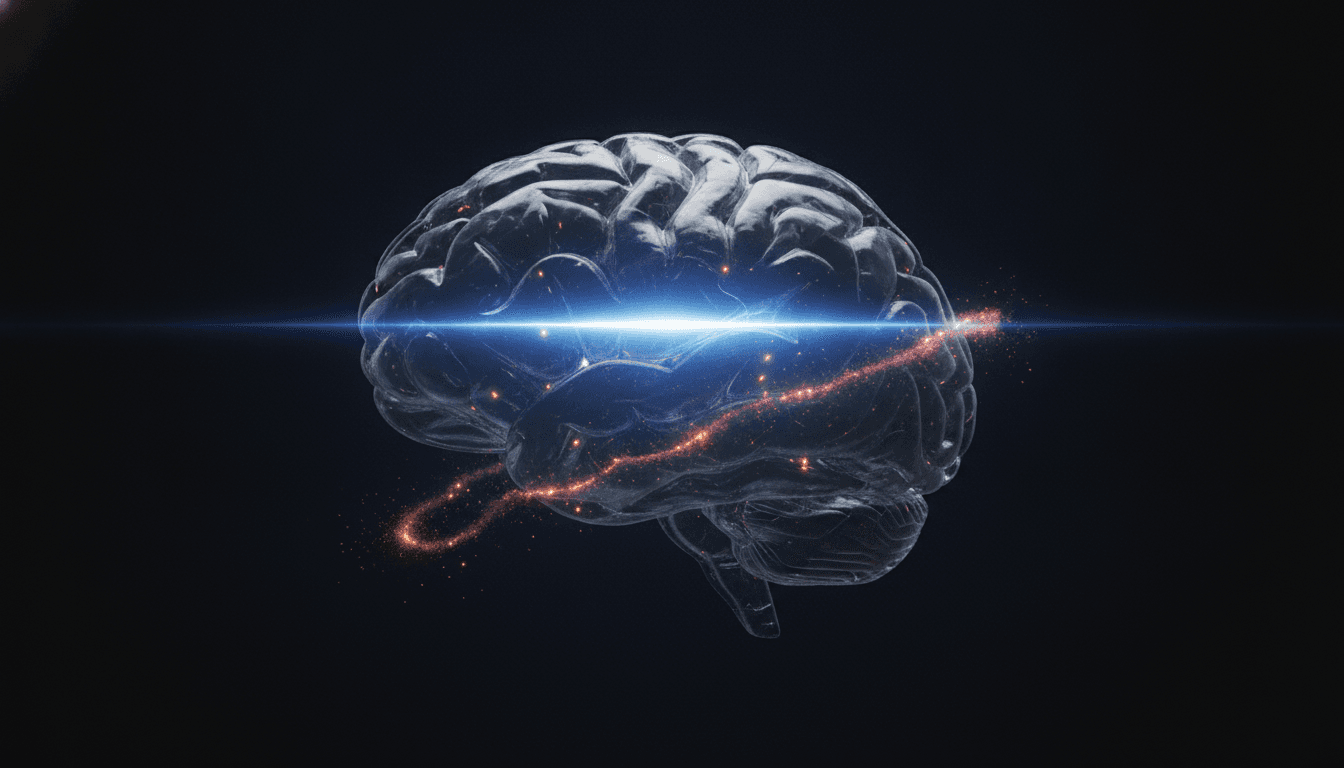

How Are Vaccines Actually Made? A Look Inside the Science
It's a journey that can take a decade. From a single idea in a lab to an injection in an arm, making a vaccine is a grueling marathon of science and safety checks. Here’s how it really works.

Editorial Team
The AI Tech Dialogue editorial desk covers artificial intelligence, technology, startups, and science. Every story is reviewed by a named editor before publication.

It's a journey that can take a decade. From a single idea in a lab to an injection in an arm, making a vaccine is a grueling marathon of science and safety checks. Here’s how it really works.

Ever wonder what happens when you type a URL and hit Enter? We trace the incredible physical journey from your keyboard through undersea cables to distant servers and back again.

Tired of failed resolutions? The science of habit formation reveals why willpower is a flawed strategy. Understanding the brain's cue-routine-reward loop is the real key to building better habits that actually stick.

CRISPR lets scientists rewrite DNA with stunning precision. Here’s a plain-English guide to how it works, its first history-making cure for sickle cell disease, and the ethical red lines we can't afford to cross.

Quantum computing explained simply: It won't replace your laptop, but it might invent our next life-saving drug by solving problems classical computers can't touch.

Our practical guide breaks down what active noise cancellation (ANC) really is and helps you choose the right features for your specific needs—whether that's the daily commute, a loud office, or a long flight.

Wireless charging is convenient, no doubt. But it's also slower, wastes more energy, and creates heat that could hurt your battery. Here's how it works and if the trade-offs are worth it.

Explains the right-to-repair movement — why big tech made devices so hard to fix, how consumer pressure and new laws are fighting back, and what it all means for how long your gadgets can realistically last.

The browser wars are back, and this isn't about speed. AI is turning your browser from a passive window into an active assistant that can summarize content, automate tasks, and fundamentally change how you use the internet.

Founders obsess over slick decks. Investors? They're hunting for substance. Here’s what actually matters in an early-stage pitch: deep founder-market fit, a massive market, and undeniable signals of traction.

A startup pivot is a calculated, strategic shift, not an admission of failure. By embracing data-driven course corrections, smart founders build resilient companies that adapt to what the market actually wants.

Sharing it all—from revenue to crushing failures—has become the go-to growth strategy for a new breed of startup. But is the vulnerability worth it when your competitors have a front-row seat?